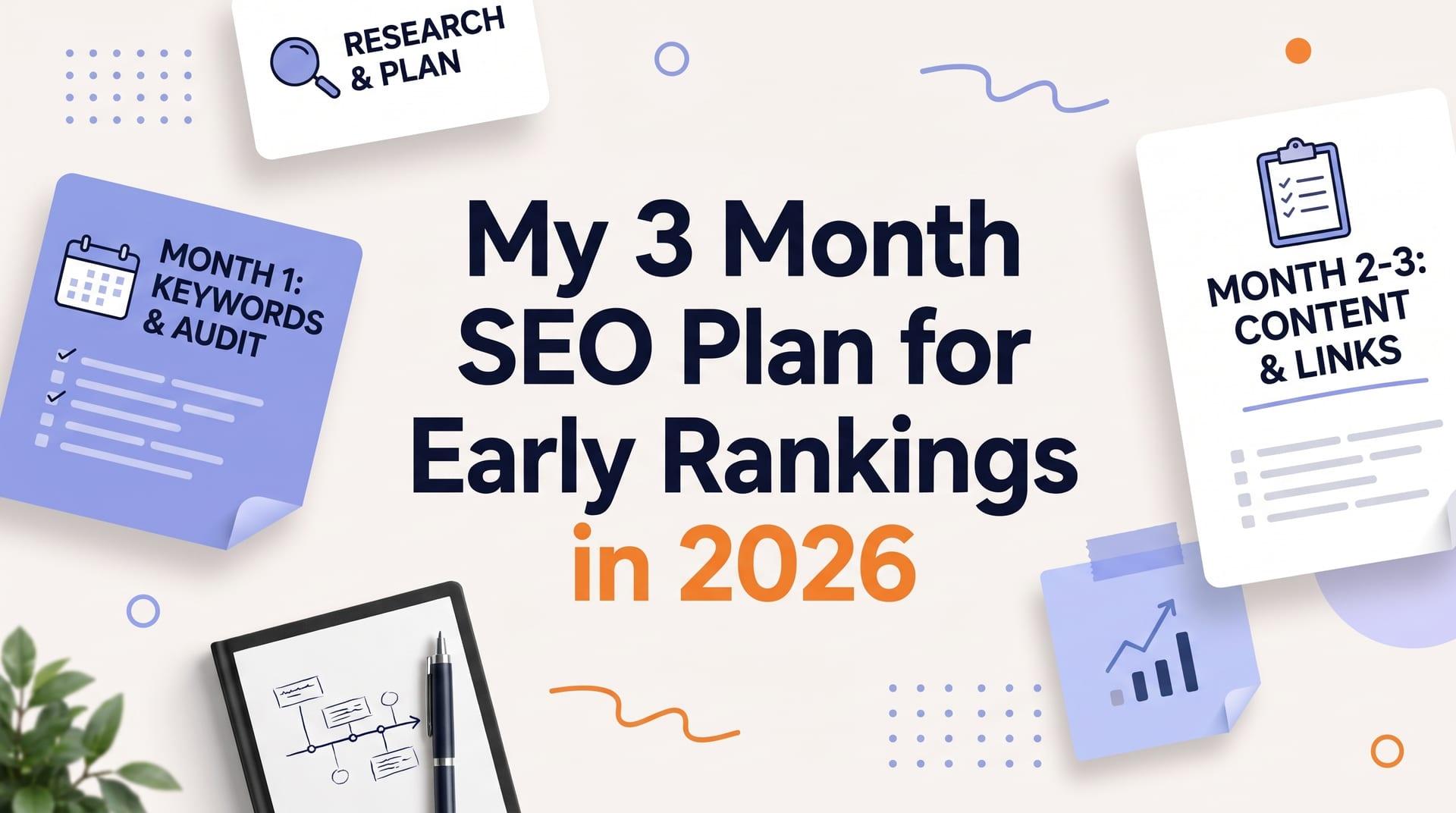
Executing a structured 3 month seo plan gives you a functional organic growth engine without burning capital on aimless writing. In ninety days, we will audit infrastructure, deploy targeted keyword clusters, and establish indexing velocity. Here is how I structure the roadmap to ensure technical crawlability leads directly into early search visibility.
▶ Related Video
🚀 The 12-Month SEO Roadmap: How I Create a Complete SEO Strategy in Under 5 Minutes
Key Takeaways
- Technical baseline comes first. Fixing critical crawl errors and index bloat in month one prevents wasted crawl budget on low-value pages.
- Long-tail targets win early. Focusing on low-difficulty keyword clusters produces measurable rank traction weeks before competitive head terms move.
- Content velocity requires preparation. Producing 8 to 12 optimized assets in month two demands completed briefs and keyword mapping during month one.
- Leading indicators dictate success. Impressions and crawl rates in Google Search Console reveal algorithm traction long before organic revenue converts.
- Ninety days is an inflection point. A 3-month plan establishes technical integrity and preliminary visibility, setting up exponential traffic compounding for quarter two.
Month 1: Establishing the Technical Baseline and Keyword Strategy
Your first thirty days must focus entirely on fixing the technical barriers that stop search engine bots from parsing your site correctly. If your pages cannot be crawled or indexed, adding fresh articles will produce zero return on investment.
| Phase | Core Focus | Key Deliverables | Expected Benchmark |
|---|---|---|---|
| Month 1 | Technical audit & keyword mapping | Crawl cleanup, core sitemap, keyword research | 100% indexation of priority pages |
| Month 2 | On-page optimization & content sprints | Metadata overhaul, 8-12 articles, internal linking | Initial impressions in Search Console |
| Month 3 | Authority building & UX refinement | Digital PR, Core Web Vitals, conversion tracking | Ranking for secondary long-tail keywords |
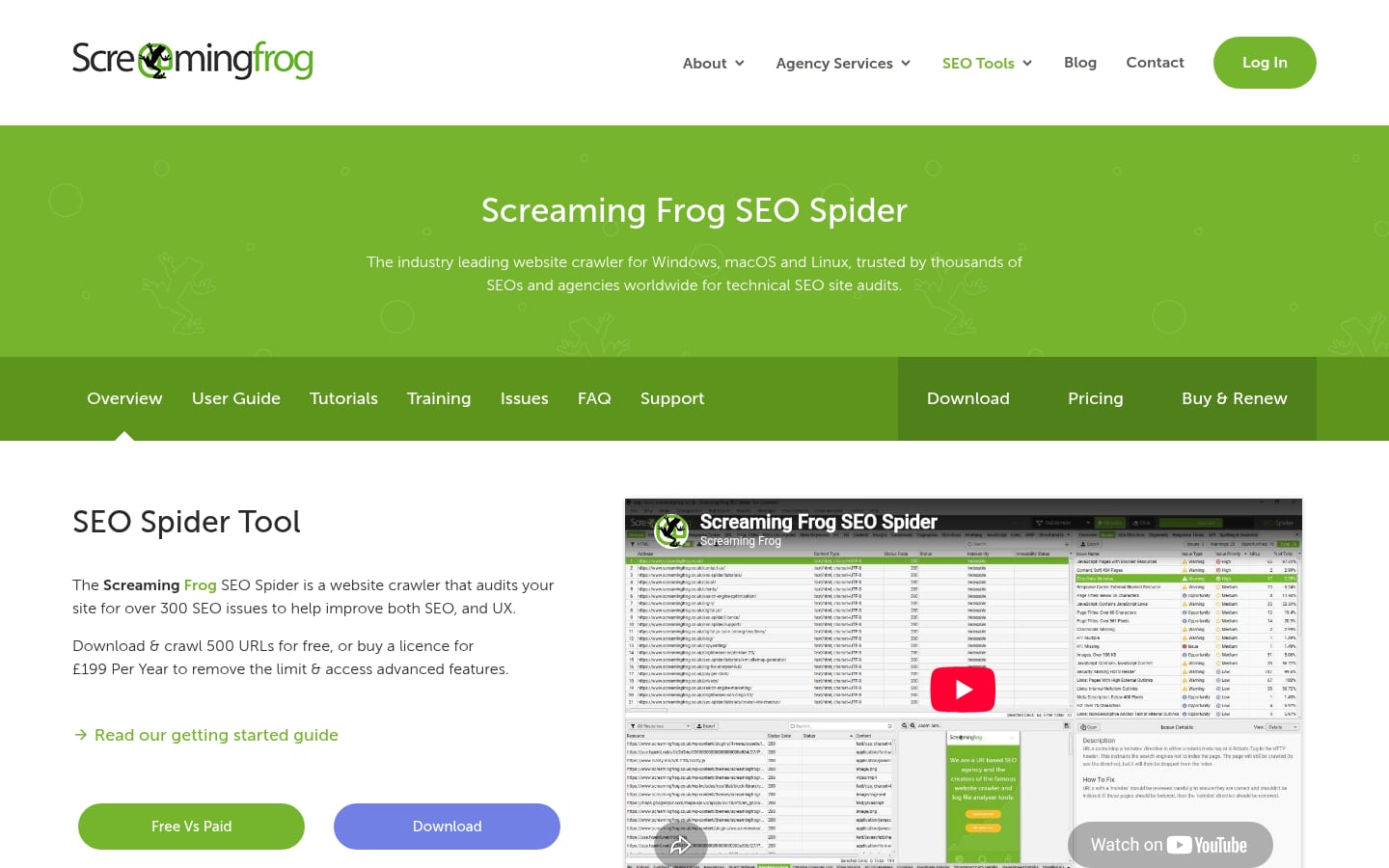
I begin every campaign by running a full crawl with Screaming Frog to uncover canonical conflicts, redirect loops, and orphaned URLs. Understanding HTTP status codes is critical; any page returning a 4xx or 5xx code drains crawl efficiency.
A massive mistake teams make early on is publishing new blog posts before resolving indexing debt. If Google is wrestling with duplicate parameters or broken canonical tags, your new pages simply linger in crawl queues.
- Audit and configure your XML sitemap in Google Search Console to eliminate 404 pages and noindexed URLs.
- Resolve redirect chains, canonical anomalies, and duplicate trailing slash configurations across your CMS.
- Implement structured markup using Schema.org vocabularies to help bots understand your entity type and organization data.
- Conduct comprehensive keyword research to map primary queries and long-tail topics across existing and proposed URLs.
In my opinion, 80% of recommendations in traditional agency audit reports are useless distractions that yield zero organic lift. We ignore minor microdata warnings and focus ruthlessly on crawlability and indexing, server response times, and robots.txt rules.
Executing Month 1 requires clear ownership between an SEO strategist, a web developer with CMS access, and a copywriter. If you are structuring your workflow from scratch, aligning this with a broader monthly SEO action plan ensures tasks do not stall waiting on developer tickets.
- Technical SEO Lead: Conducts crawls, interprets log files, and builds the URL mapping document.
- Web Developer: Implements canonical tags, updates server response headers, and addresses rendering bugs.
- Content Strategist: Identifies commercial intent keywords and drafts content briefs for Month 2 execution.
- Core Toolset: Screaming Frog, Search Console, and an intelligence tool like Ahrefs or Semrush.
Month 2: On-Page Optimization, Content Sprints, and Architecture
Month 2 shifts your resources from infrastructure repairs to active content production and metadata restructuring. With indexation unblocked, every new page deployed has an immediate path into Google's primary index.

I prioritize on-page overhauls for existing high-impression URLs that sit on page two or three. Updating title tags, refining H1 headings, and adding contextual internal links can move an existing page into top ten positions within weeks. You can follow our detailed framework for an on-page SEO plan to standardize this process.
- Rewrite title tags and meta descriptions on your top 20 commercial pages using target keywords and CTR-focused modifiers.
- Publish between 8 and 12 targeted informational articles mapped to specific low-competition, long-tail search queries.
- Create contextual internal linking structure pointing from newly published articles to your core service and category landing pages.
- Audit and optimize visual assets by compressing image files and writing descriptive, keyword-relevant alt attributes.
Chasing high-volume search queries during month two is an amateur mistake that wastes your writing budget. I insist on targeting long-tail queries with low search difficulty; building topical depth across specific subtopics establishes relevance far faster than fighting for broad head terms.
Month 3: Content Expansion, Authority Building, and UX Signals
By Month 3, your initial content is indexing and generating preliminary search impressions, allowing you to refine strategy based on real search behavior. Now you expand your content footprint and begin targeted authority building.
Cold link building during the first 90 days is usually a money pit unless you possess unique, proprietary data. I focus off-page efforts on low-hanging wins: claiming unlinked brand mentions, reclaiming broken backlinks, and securing citations from industry associations. For broader outreach, consult our off-page SEO plan roadmap.
- Identify query variants appearing in Search Console with high impressions and incorporate them into existing Month 2 content.
- Publish 8 to 12 additional supporting articles to complete topical clusters around your primary commercial offerings.
- Reclaim lost backlinks and reach out to industry directories and partner sites for foundational editorial citations.
- Audit page experience using PageSpeed Insights to resolve Core Web Vitals bottlenecks on top conversion paths.
We also monitor technical accessibility and user experience using W3C standards to ensure visitors do not bounce upon arrival. If mobile readers encounter shifting layouts or unreadable contrast, high bounce rates will drag down ranking performance.
Realistic 90-Day Outcomes: What Actually Happens to Rankings
Most searchers arrive with false expectations: they assume a 90-day SEO engagement will vault a fresh domain to rank number one for competitive buyer keywords. That does not happen in modern organic search without extreme algorithmic risk.
3-6 Mo
Average time for new URLs to gain initial ranking stability
22%
Pages ranking in top 10 within one year according to industry studies
85%+
Crawl error reduction expected by end of Month 1 audit
3-5x
Typical Search Console impression growth across Month 2 to 3
Anyone promising page-one rankings for high-intent commercial terms inside ninety days is either untruthful or deploying tactics that trigger algorithmic penalties. Google's sandbox effects and crawl scheduling mean authoritative competitors with decade-old backlink profiles hold those top three spots firmly.
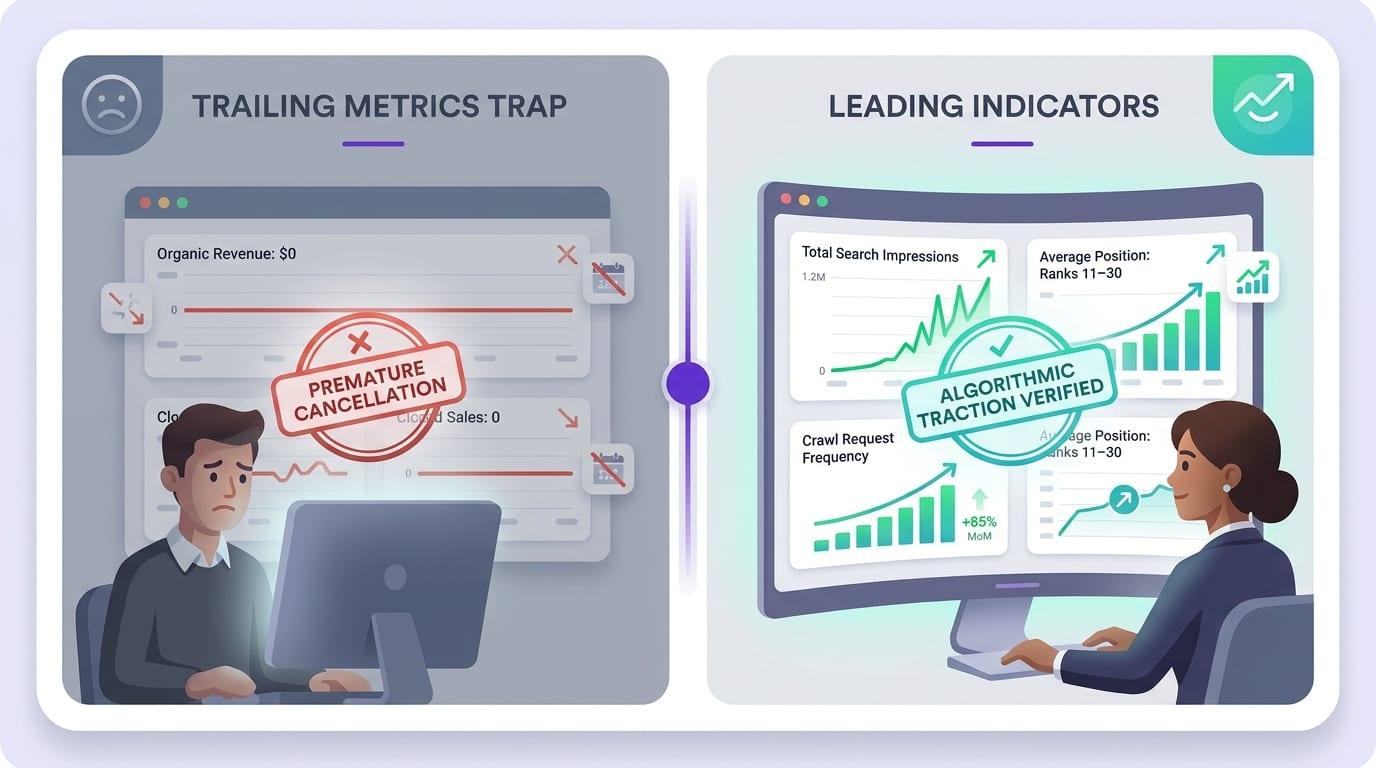
The second common mistake I encounter is teams prematurely killing an SEO project at day 80 because revenue has not doubled. SEO is an asymmetric investment; the curve stays flat while Google processes site credibility, before hockey-sticking sharply upward in months six through twelve.
- Index Health: 100% of non-parameter canonical pages indexed without crawl errors or orphan URL issues.
- Impression Velocity: A visible, upward trajectory of total impressions for long-tail query clusters in Google Search Console.
- Striking Distance Rankings: New URLs positioning between ranks 11 and 30 for low-to-medium difficulty terms.
- Baseline Traffic: An initial trickle of qualified, organic visits hitting your newly published informational and bottom-of-funnel pages.
Leading Indicators and Milestone KPIs to Measure Early Progress
Measuring the success of your first 90 days requires looking at leading indicators rather than trailing financial metrics. If you judge month two solely by closed sales, you will mistake early technical progress for failure.

Tracking raw organic clicks during the first 60 days is a vanity trap. I evaluate search impressions and keyword footprint expansion via Semrush as our true operational north star during this phase.
- Total Search Impressions: Upward momentum in Search Console indicates Google recognizes your content as relevant for expanding search queries.
- Average Position Trends: Watching keywords advance from position 80 into position 25 proves topical authority is compounding.
- Indexed Page Count: Verifying that newly published URLs enter the index within 48 to 72 hours of submission.
- Crawl Request Frequency: Checking server logs or Search Console crawl stats to confirm bot visits are increasing consistently.
Whether you are an in-house marketer or a freelance specialist mapping out a seo consultant business plan, setting these explicit proxy metrics protects your budget. It anchors stakeholder conversations to verified algorithmic behavior rather than premature revenue projections.
Transitioning Past Month 3 into Compounding Growth
Day 90 is the starting line of your organic compounding phase, not the finish tape. Abandoning an SEO campaign after the third month is the primary reason businesses fail to build sustainable organic channels.
- Convert striking-distance rankings (positions 11-20) into top-5 positions by expanding content depth and updating search intent.
- Scale content velocity from 10 articles per month to 20+ by templating workflows or automating programmatic page generation.
- Launch outreach campaigns targeting top-tier publications, digital PR angles, and authoritative niche resource roundups.
- A/B test title tags and meta descriptions on high-impression URLs to maximize organic click-through rates.
Local service businesses will find that pairing this transition with a dedicated local seo business plan accelerates regional map pack placement alongside organic web listings. If you want to scale programmatic landing pages from structured product data, ProgSEO automates page generation to accelerate organic coverage.
Yes, for low-competition, specific long-tail queries. However, competitive commercial keywords typically require 6 to 12 months of consistent authority building and technical optimization.
A realistic target is 8 to 12 comprehensive articles per month during Months 2 and 3, yielding roughly 16 to 24 well-optimized pages by Day 90.
You need Google Search Console, a site crawler like Screaming Frog, a keyword research tool such as Ahrefs or Semrush, and PageSpeed Insights for UX testing.
Publishing content on a site with broken indexation, crawl loops, or slow server response times results in delayed indexing and wasted production budget.
Sources & References
- Google Search Console — Webmaster reporting suite for tracking indexation status and search impressions.
- Google Search Central — Official documentation on search engine crawlability and indexation architecture.
- Screaming Frog — Desktop crawler for auditing internal links, redirects, and on-page technical errors.
- Ahrefs — Search intelligence platform for backlink analysis, competitor research, and keyword metrics.
- Schema.org — Collaborative community activity creating structured data schemas for web pages.
- PageSpeed Insights — Google developer utility for measuring web page performance and Core Web Vitals metrics.
- MDN Web Docs — Technical documentation on HTTP response status codes and server diagnostics.
- Semrush — SEO visibility software used for keyword rank tracking and search landscape monitoring.
- W3C Standards — International web accessibility guidelines and digital usability standards.