To build an effective off page seo plan, I recommend allocating a three-month execution window, a backlink analysis platform, and linkable data assets. While on-page optimization clarifies your page intent, off-page authority dictates whether search engines trust your domain enough to rank your target queries competitively.
▶ Related Video
Learn OFF PAGE SEO with Practical: Backlinks, Link Building & Guest Posting [Full Tutorial 2026]
Many teams jump straight into cold email pitching without diagnosing why their competitors outrank them. I have seen countless campaigns stall because they pursued arbitrary link counts rather than targeting pages that close topical authority gaps. This guide outlines how to build a repeatable roadmap from scratch.
| Execution Phase | Primary Objective | Core Tools | Key Deliverables |
|---|---|---|---|
| Phase 1: Diagnosis (Weeks 1–2) | Audit backlink baseline and link gaps | Ahrefs, Semrush | Competitor gap sheet, toxic link audit |
| Phase 2: Asset Creation (Weeks 3–4) | Produce original research and linkable data | Internal data, Survey tools | 1 flagship report, 2 supporting mini-assets |
| Phase 3: Targeted Outreach (Weeks 5–10) | Secure editorial links and brand citations | BuzzStream, Pitchbox | 15–25 qualified placement opportunities |
| Phase 4: Monitoring (Weeks 11–12) | Track indexation, rankings, and referral flow | Google Search Console, Moz | Monthly authority and ROI scorecards |
Key Takeaways
- Target page-level link gaps. Domain authority alone does not explain ranking discrepancies; evaluate the exact URL clusters competing for target SERPs.
- Prioritize live search traffic. A linking site with zero organic traffic provides little ranking equity regardless of third-party authority scores.
- Diversify non-link signals. Search engines treat unlinked brand mentions and co-occurrence data as verified entity confirmation.
- Pace acquisition deliberately. Spiking link volume overnight without new brand demand triggers algorithmic scrutiny under Google Search Essentials.
- Commit to original data. Proprietary survey benchmarks and industry datasets generate inbound passive links with significantly lower outreach friction.
Audit Your Baseline Profile and Uncover the Competitor Link Gap
Before reaching out to a single webmaster, you must know your baseline metrics and quantify the exact link gap separating your domain from the top three ranking competitors. Without this benchmark, your outreach targets will remain arbitrary guesses.
In my view, analyzing domain-level authority is mostly vanity unless you drill down into page-level equity. Top-ranking pages often win because of five contextually precise links from topical hubs, not because their site has an inflated global rating.
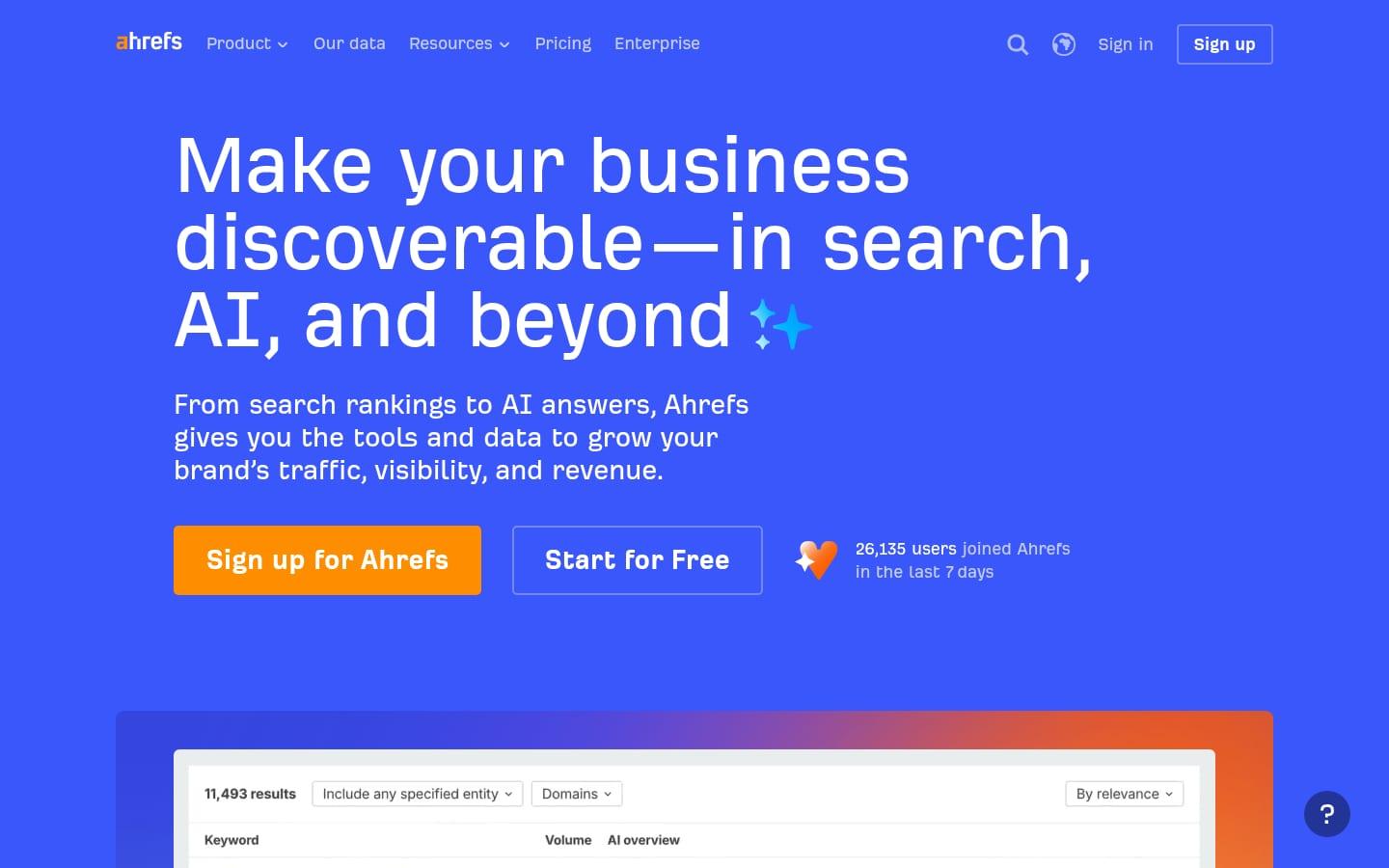
I start by extracting the backlink profile of my target URLs and comparing them against my immediate SERP rivals in Ahrefs Site Explorer. Focus on the net change in referring domains over the past twelve months to see whether competitors are actively building authority or coasting.
When structuring your gap analysis, avoid common diagnostic traps that distort resource planning. Here are the parameters I document for every direct competitor:
- Total unique referring domains pointing directly to ranking URLs rather than sitewide homepages.
- Monthly referring domain velocity, noting whether competitors gain ten or fifty new links each quarter.
- Topical overlap scores, measuring how closely linked sites match the niche subject matter.
- Link acquisition types, separating organic editorial citations from unmoderated user comments or press syndication networks.
If you manage an online store, review our dedicated guide to an ecommerce website SEO plan to see how category architecture shifts backlink prioritization.
Filter Prospects Using Strict Quality and Anchor Text Safeguards
Every backlink you pursue represents a calculated editorial risk that either reinforces or compromises your domain reputation. Modern search algorithms penalize inorganic manipulation aggressively.
My rule is simple: if a target domain does not receive organic traffic from Google, I do not want a link from it. High synthetic metrics like Domain Authority or Domain Rating mean nothing if the site suffers from algorithmic suppression.
Review Google's spam policies closely. Any exchange involving commercial compensation, automated link generation, or manipulative footprints directly violates search guidelines.
The first common mistake teams make is over-optimizing exact-match anchor text. Forcing commercial keywords into external anchor text appears unnatural and invites algorithmic penalties.
- Check organic traffic health: Ensure the prospective site receives consistent search visitors according to third-party tools.
- Audit outbound link density: Avoid publications that link out to unrelated casinos, essay mills, or loan sites.
- Assess editorial standards: Look for human author bylines, active editorial guidelines, and genuine comment discussions.
- Verify topical affinity: The referring domain must operate within a related or adjacent vertical to pass contextual relevance.
- Maintain a natural anchor distribution: Keep exact-match commercial anchors under 5% of your total backlink profile.
For a deeper breakdown of outreach risk management, consult our structured link building plan methodology.
Execute Core Link Building Tactics That Deliver Editorial Backlinks
Sustainable authority requires producing linkable resources that industry publishers reference out of utility rather than coercion. Earning genuine editorial links demands distinct tactics tailored to different content formats.
In my experience, digital PR rooted in original data beats traditional cold outreach by a wide margin. Journalists and content creators constantly search for fresh industry statistics to substantiate their reporting.
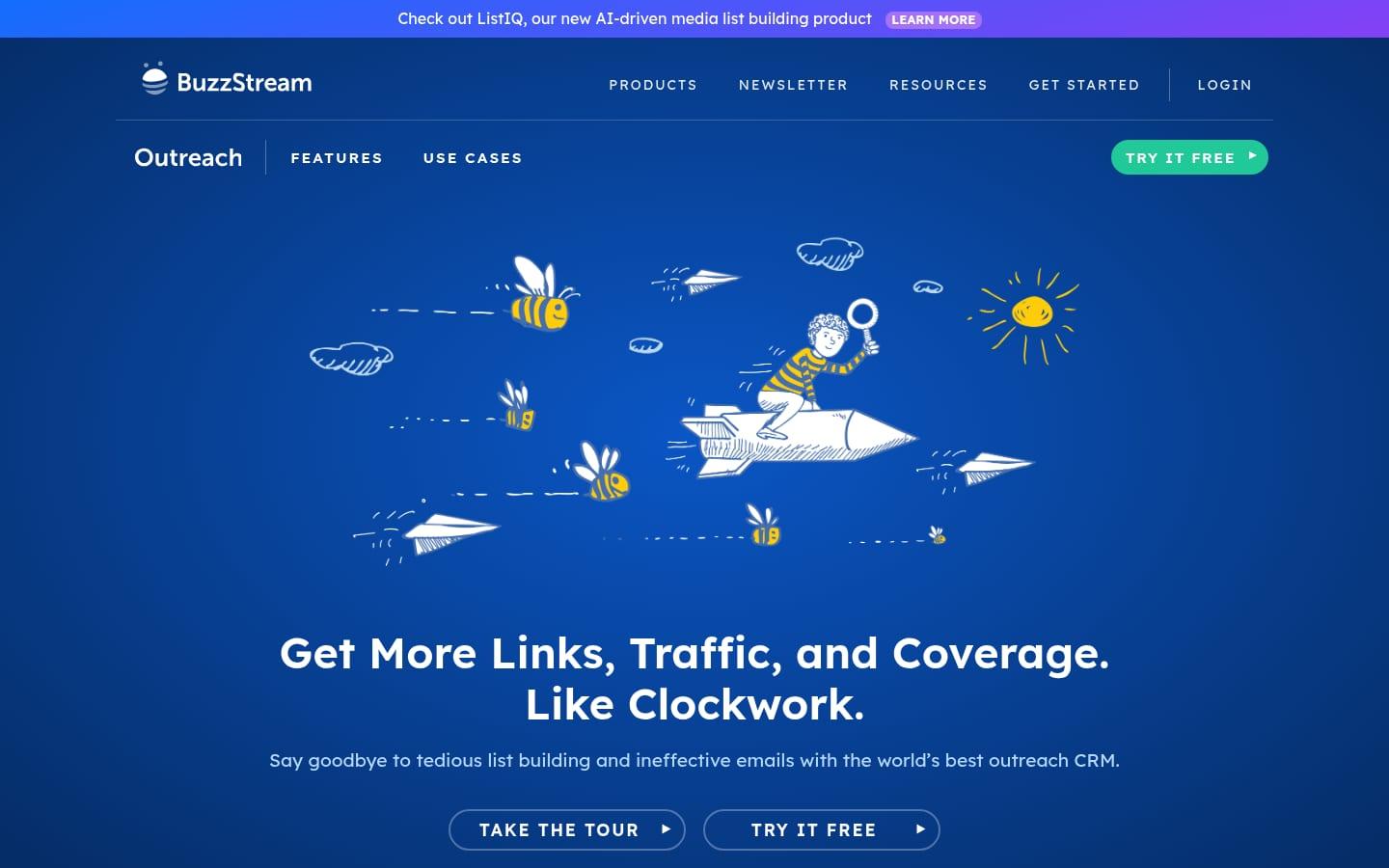
The second major mistake people make is mass-emailing generic pitch templates to unvetted lists. Tailored pitches addressing an editor's recent article consistently outperform blasted email blasts.
- Original data and survey PR: Publish unique customer surveys or benchmark datasets that reporters cite as primary research.
- Targeted resource reclamation: Find obsolete industry pages or defunct tools using backlink indexes like Majestic, then suggest your updated resource.
- Strategic contributor placements: Write authoritative think pieces for respected industry publications where your internal experts retain editorial bylines.
- Unlinked brand transformation: Monitor web occurrences of your company name and politely ask editors to turn plain text into reference links.
- Comprehensive industry glossaries: Create definitive definitions for emerging technical terms that authors naturally link to for context.
I treat guest writing strictly as an executive brand-building vehicle. If an outlet accepts unsolicited content without strict editorial revisions, that platform holds little long-term search equity.
Build Entity Authority Through Digital Reputation and Brand Mentions
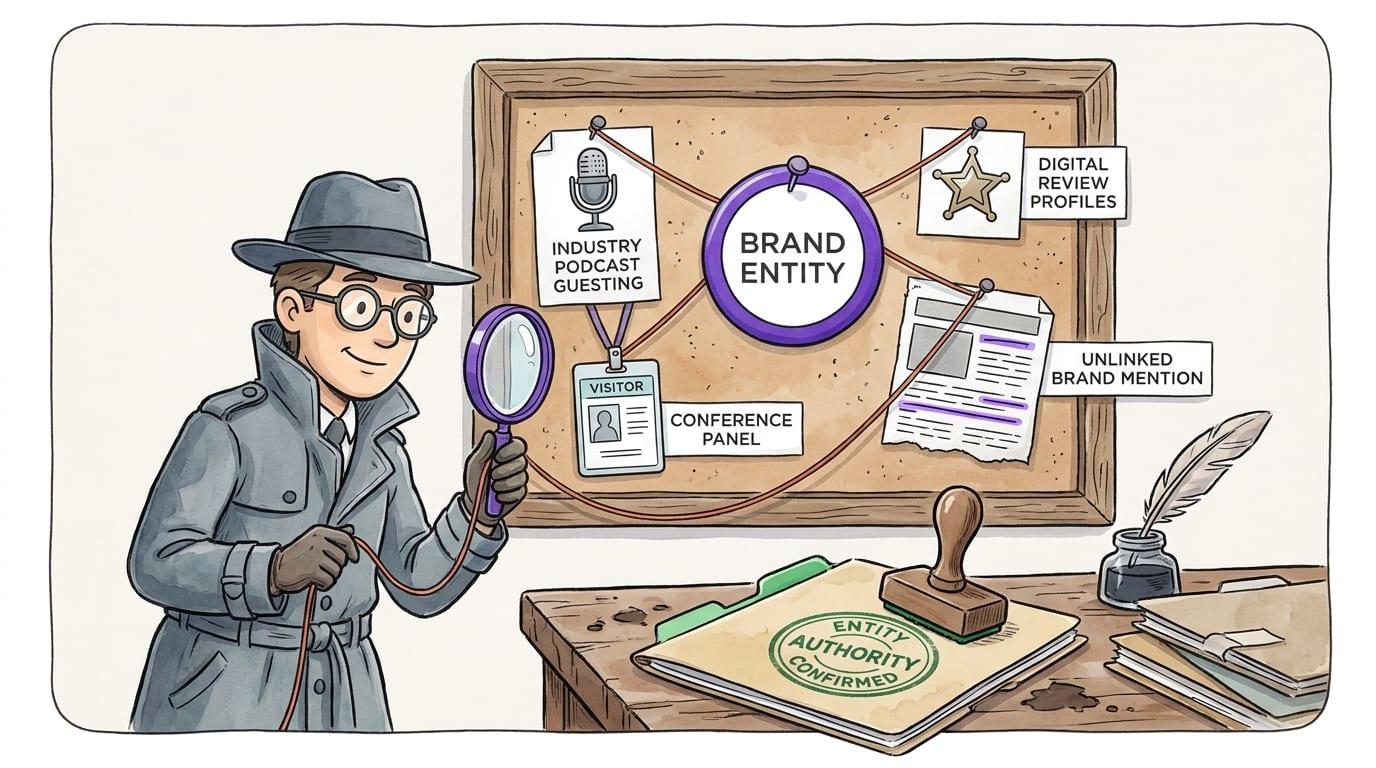
Off-page optimization has evolved beyond hyperlinked anchor tags. Search engines continuously evaluate brand entity relationships, consumer reviews, and topical co-occurrences across the web.
I consider unlinked brand mentions nearly as valuable for entity salience as traditional backlinks. When an authoritative publication discusses your product alongside your primary industry category, search engines notice the semantic proximity.
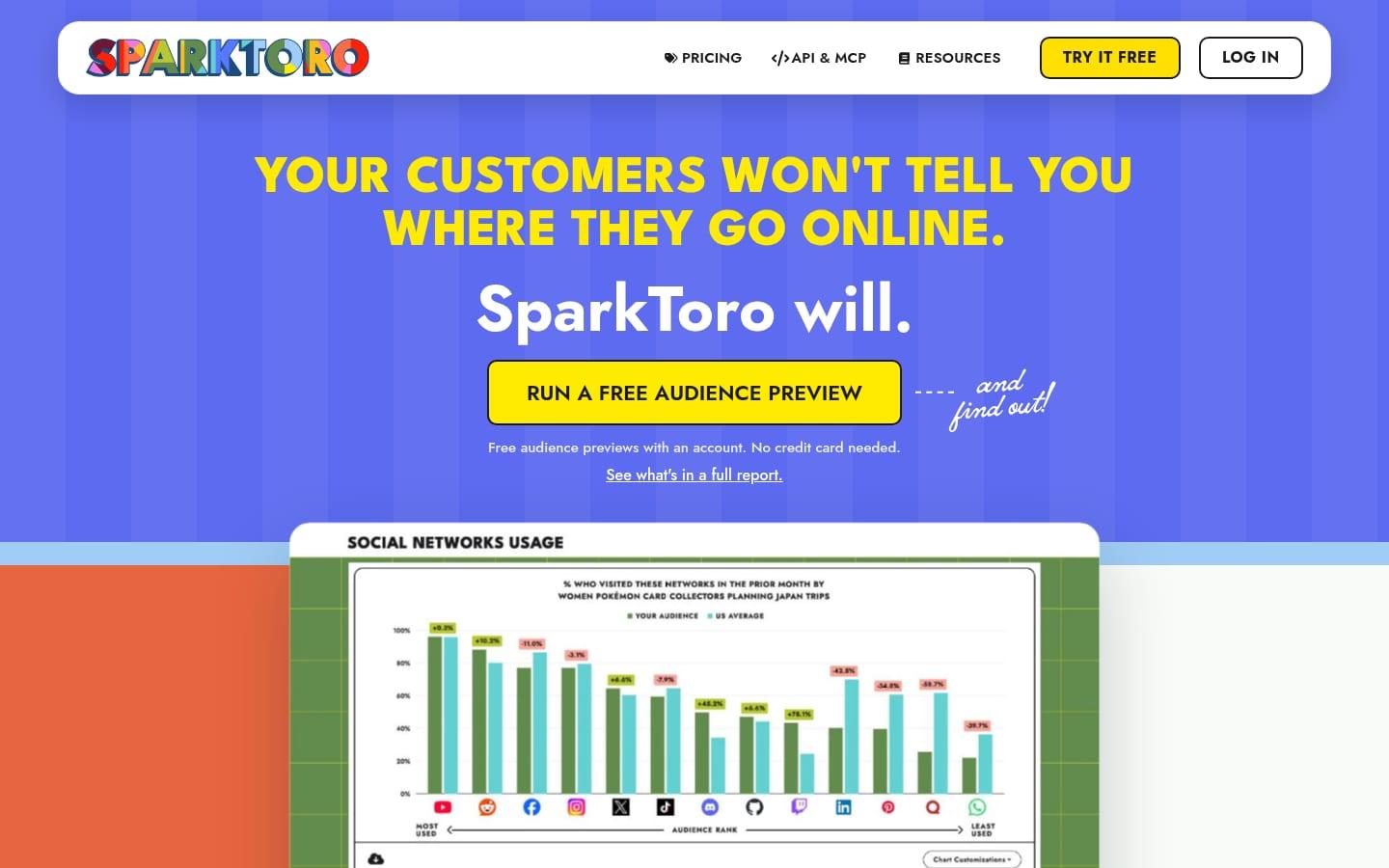
Understanding where your target audience consumes commentary allows you to prioritize high-impact digital touchpoints. Here is how I cultivate entity authority outside standard website links:
- Industry podcast guesting: Speak on vertical-specific audio shows to earn transcription citations and authoritative show-note links.
- Conference panel presence: Participate in regional or global summits that generate university, organizational, and media press coverage.
- Digital review profile stewardship: Actively manage third-party profiles on trust platforms relevant to your software or service vertical.
- Author entity alignment: Connect executive biographies to authoritative social profiles and verified industry publications.
Search engines evaluate these cross-platform entity references under Google Search Essentials to confirm organizational legitimacy before elevating search presence.
Structure a 90-Day Execution Roadmap and Resource Cadence
A strategic vision collapses without an operational schedule. Executing an off-page campaign requires establishing strict weekly rhythms across prospecting, content creation, and relationship development.
In my view, front-loading aggressive outreach before publishing your linkable research assets is a waste of budget. You must establish substantive content worth referencing before pitching key stakeholders.
I break our agency campaigns into structured 30-day sprints. This phased approach maintains accountability across technical, creative, and operational deliverables:
- Month 1 (Foundation & Assets): Finalize competitor link gap spreadsheets, clean toxic links, and design your primary data research study.
- Month 2 (Prospecting & First Wave): Build curated prospect lists of 100 verified editors and launch your digital PR research campaign.
- Month 3 (Follow-up & Expansion): Conduct personalized follow-up sequences, pursue secondary resource links, and reclaim unlinked brand citations.
To integrate this link acquisition timeline into your broader team workflows, adapt our operational monthly SEO action plan template.
Measure Plan Success Through Visibility and Downstream Conversions
Evaluating link acquisition purely by counting acquired URLs is an incomplete metric. You must quantify how those incoming links influence organic search visibility, referral sessions, and pipeline pipeline revenue.
I believe reviewing link counts on a weekly basis is counterproductive. High-authority links take anywhere from two to eight weeks to pass equity and impact algorithmic search rankings.
📊
Referral Quality
Measure direct referral traffic volume and on-site engagement metrics from earned press mentions.
📈
Keyword Velocity
Monitor ranking progression across competitive commercial keyword clusters attached to linked pages.
🛡️
Domain Salience
Track growth in authoritative referring domains over time using third-party tools like Semrush.
🎯
Conversion Tracking
Attribute downstream form submissions, demos, and sales to referral visitor pathways.
Review your key landing pages monthly to ensure new link equity converts into tangible leads. If your pages receive substantial visits but fail to convert, develop a structured conversion optimization plan to improve on-page yield.
Pairing programmatic landing pages with consistent brand authority creates compounding search growth. If you are scaling content production alongside your outreach, ProgSEO helps teams generate structured, data-backed landing pages designed to capture search intent efficiently.
Expect initial ranking movement within six to twelve weeks after earned links are indexed by search engines. High-competition queries typically require sustained quarterly link velocity before showing consistent top-three visibility.
A link building plan focuses strictly on acquiring inbound hyperlinks. An off-page SEO plan encompasses a broader strategy, including unlinked brand mentions, digital PR, podcast appearances, and entity authority signals.
Target quality over raw quantity. Securing three to five contextually relevant links from high-authority, traffic-generating domains per month provides substantially greater ranking impact than fifty low-grade directory submissions.
Yes. Search engine patents and entity recognition systems analyze brand co-occurrences with industry topics across authoritative publications, using them to evaluate organizational credibility even without a hyperlink.
Sources & References
- Google Search Essentials — Official search documentation outlining webmaster fundamentals and technical search guidelines.
- Google Spam Policies — Google's official policies on link spam and manipulative backlink schemes.
- Ahrefs — SEO software platform providing competitor backlink intelligence and link gap analysis tools.
- Semrush — Comprehensive digital marketing suite offering backlink tracking and competitive visibility analytics.
- Moz — Search industry software and research publication covering domain authority standards.
- Majestic — Specialized link intelligence database tracking backlink mapping and topical trust flow metrics.
- BuzzStream — Digital PR and outreach management platform for managing publisher relationships.
- SparkToro — Audience intelligence software revealing demographic publication, social, and podcast consumption habits.