Link reclamation is a crucial aspect of SEO that often goes unnoticed. It involves reclaiming lost or broken backlinks to enhance a website's search engine performance.
Understanding what link reclamation is can significantly impact your SEO strategy. It helps in recovering valuable backlinks that might have been lost over time.
A link audit is the first step in this process. It identifies broken or lost links that need attention. 404 link reclamation is another critical component — it involves fixing or redirecting links that lead to 404 error pages.
Effective link management can prevent link loss and improve your site's authority. It ensures that your link profile remains healthy and robust. Link recovery can boost organic traffic and domain authority — a cost-effective strategy compared to building new links from scratch.
Regular monitoring of backlinks is essential. It helps maintain a healthy link profile and prevents potential SEO penalties. By understanding and implementing link reclamation strategies, you can enhance your website's visibility and credibility online.
What is Link Reclamation? Understanding the Basics
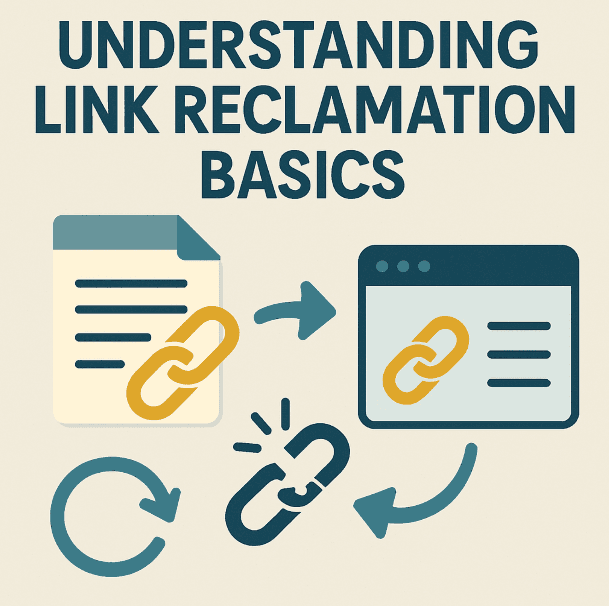
Link reclamation is an essential strategy in SEO. It focuses on recovering lost or broken backlinks. These links are vital for maintaining search rankings.
This process involves identifying links that no longer work. These could be due to URL changes or content moves. Recognizing these issues is the first step toward reclamation.
Key Aspects of Link Reclamation:
- Identifying broken or misplaced links
- Engaging with webmasters for link updates
- Redirecting 404 errors to relevant pages
The objective is to restore link value. This helps retain link equity, essential for SEO success. It's a proactive approach to maintaining a healthy online presence.
Understanding these basics helps in strategizing effectively. Often, it's more efficient than building new backlinks. This makes it a crucial part of a comprehensive SEO plan.
By addressing these broken links, you can significantly improve user experience. It ensures visitors find what they're looking for without running into errors.
Why Link Reclamation Matters for SEO
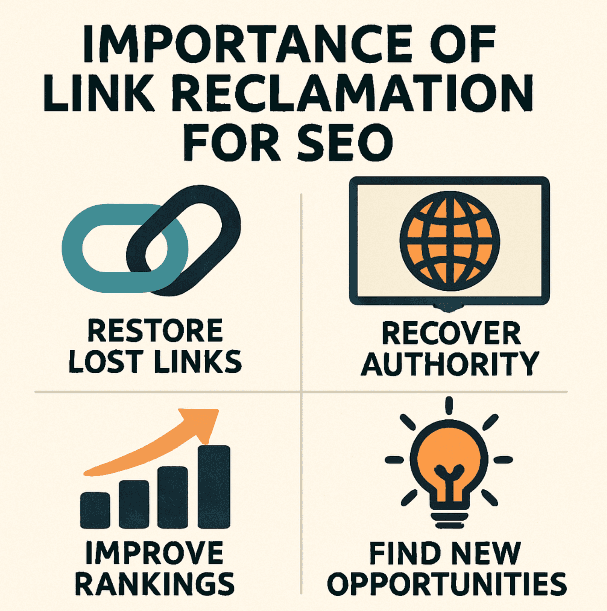
Link reclamation plays a critical role in SEO. Broken links can harm your search engine ranking. They diminish trust in your site from both users and search engines.
Search engines like Google give weight to sites with strong link profiles. Lost or broken links mean lost link equity. Reclaiming these links helps preserve this valuable asset.
Performing regular link audits is crucial. This process identifies broken links that need fixing. It prevents the loss of hard-earned SEO benefits.
Benefits of Link Reclamation:
- Recover lost link equity
- Improve search engine rankings
- Enhance user experience
An effective reclamation strategy boosts your site's authority. It ensures that your content remains an authoritative source. This can significantly boost your organic traffic.
In addition to SEO benefits, users enjoy a smoother browsing experience. Fixing broken links helps them navigate without unnecessary roadblocks. This can increase user engagement and reduce bounce rates.
Common Causes of Lost or Broken Links
Understanding why links become lost or broken is vital. Often, websites undergo restructures or redesigns. This can lead to broken URLs if not handled correctly.
Another common cause is site migration. Migrating without proper redirects can lead to a slew of broken links. It's crucial to manage such changes with attention to detail.
Content removal or updates contribute to link loss. When pages are deleted or URLs changed, associated links may break. Ensuring old links are redirected is essential.
Causes of Link Loss:
- Website redesigns
- Site migration without redirects
- Content removal or URL changes
- Server issues or downtime
Server issues or downtime can also lead to broken links. When a server is temporarily unavailable, links may not function correctly. Regular server maintenance is necessary to prevent these problems.
Monitoring and maintaining your links helps you avoid these pitfalls. Proper link management ensures a seamless web experience for users. It's a proactive way to sustain your SEO efforts.
Conducting a Comprehensive Link Audit

A link audit is a vital step in link reclamation. It helps identify issues impacting your website's link profile. Regular audits ensure your SEO efforts remain effective.
Begin by gathering all backlink data. Use tools such as Google Search Console or Ahrefs to retrieve this information. These tools provide a detailed list of backlinks pointing to your site.
Next, analyze your backlinks for quality and relevance. Focus on high-authority sources as they offer greater SEO benefits. Check for any broken links in this process.
Steps in a Link Audit:
- Gather all backlink data
- Analyze link quality and relevance
- Identify broken links
- Prioritize reclamation by authority
Documenting broken links is crucial. Use this list to prioritize which links to reclaim. Reclaiming links from authority sites should be your top priority.
Address internal links as well. Internal link audits ensure all links within your site lead to valid pages. This improves site navigation and user experience.
Finally, track the success of your audit. Revisit it regularly to keep your link profile healthy. Audits are an ongoing process for continuous SEO success.
404 Link Reclamation: Identifying and Fixing Broken Links
Broken links are a common problem in link reclamation. They lead to 404 error pages, frustrating users and harming SEO. Identifying and addressing these links promptly is crucial.
Start by using tools such as Screaming Frog or Broken Link Checker. They help you locate broken links that result in 404 errors on your site. Once identified, create a comprehensive list of these links.
Steps for Fixing Broken Links:
- Redirect broken links to relevant pages using 301 redirects
- Contact webmasters to update the link on their end
- Replace the broken link with a new, working URL
Redirecting links is often the easiest solution. Use 301 redirects to guide users from broken links to relevant content. This retains link equity and minimizes disruption.
For external links, reaching out to webmasters can be effective. Politely request updates or corrections to the broken links on their sites. Collaboration is key to a successful link reclamation strategy.
Finally, regularly monitor your website for new broken links. This proactive approach minimizes SEO impacts and improves user experience. Consistent attention to broken links strengthens your SEO health.
Link Recovery: Reclaiming Lost Backlinks

Lost backlinks can negatively impact your site's authority. Recovering them is a significant aspect of link reclamation. Link recovery focuses on regaining these valuable connections.
Begin by identifying lost backlinks using tools like Ahrefs or Google Search Console. These tools provide insights into which links your site has lost. Once identified, prioritize reclaiming high-authority links for maximum SEO benefit.
Strategies for Link Recovery:
- Contact the original linking website
- Provide updated content or URLs if necessary
- Monitor for new opportunities regularly
Reaching out to webmasters is crucial. When communicating, be polite and concise. Explain the broken link situation and offer updated URLs.
Providing fresh, relevant content can persuade webmasters to restore links. High-quality content attracts and retains backlinks, reinforcing your website's authority. Therefore, regularly updating your content improves your chances of successful link recovery.
Constant vigilance is essential. Schedule regular link checks to prevent future losses. This ongoing effort helps maintain a robust backlink profile that enhances your site's search engine rankings.
Effective Link Management Practices
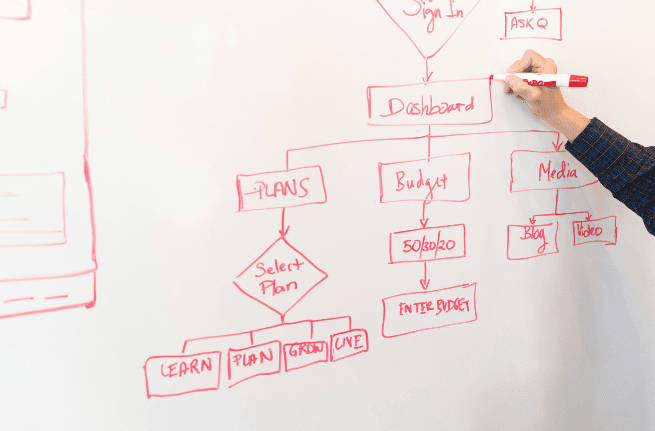
Efficient link management is key to a strong SEO presence. It involves regularly monitoring and updating your backlinks. This proactive approach can prevent future link losses.
Establish a systematic process for link management. Regularly review your site's link profile using SEO tools. Look for any anomalies or broken links that may need attention.
Important Link Management Practices:
- Regular link audits
- Monitoring link health with analytics tools
- Prioritizing high-authority link reclamation
Regular link audits help identify potential issues early. By addressing them promptly, you safeguard your site's authority. This practice is crucial for maintaining your site's competitive edge.
Monitoring link health ensures your backlinks are active and valuable. Use analytics tools to track link performance. This data-driven approach can guide your link reclamation strategies effectively.
Finally, prioritize high-authority links for reclamation. These links carry more weight, enhancing your site's authority. Effective link management transforms your SEO efforts, leading to sustained success.
Outreach Strategies for Successful Link Reclamation
Effective outreach is crucial for reclaiming lost links. Building connections with webmasters can streamline the process. Start by identifying which links need recovery.
Craft a clear, concise email when reaching out. Personalize each message to increase your chances of success. Avoid generic templates that might appear spammy.
Effective Outreach Strategies:
- Personalize your emails to each webmaster
- Highlight mutual benefits clearly
- Keep communication clear and concise
- Follow up politely if no response
Focus on the mutual benefit for both parties. Explain how fixing or updating the link benefits the webmaster. Clear communication can lead to faster resolution.
Monitoring outreach efforts is equally important. Track which emails yield successful responses. Use this data to refine your approach.
Timing also plays a significant role in outreach success. Follow up if you don't receive a response. However, be mindful not to overwhelm the recipient.
Finally, use social media platforms for informal communication. Engage with webmasters or site owners on platforms like LinkedIn. This can provide another avenue to facilitate link reclamation.
Tools and Resources for Link Reclamation SEO
Leveraging the right tools can simplify link reclamation. These tools help identify broken links and streamline the recovery process. Understanding their functions is key to success.
Google Search Console is an excellent starting point. It allows you to monitor existing backlinks and spot any issues quickly. It's a fundamental tool for link audits.
Ahrefs is another powerful resource. It offers insights into lost backlinks and provides detailed reports. Ahrefs also helps analyze competitor link profiles for opportunities.
Key Tools for Link Reclamation:
- Google Search Console — monitor backlinks and spot issues
- Ahrefs — detailed lost backlink reports and competitor analysis
- SEMrush — comprehensive link audits and backlink analysis
- Screaming Frog — crawl your site to find 404 errors
- Broken Link Checker — quickly surface broken external links
SEMrush offers additional features for comprehensive link audits. Its backlink analysis tool is user-friendly and precise. You can gain insights into potential link reclamation opportunities.
Incorporating a combination of tools maximizes efficiency. Each tool brings unique benefits that can boost your link reclamation strategy. Choose the ones that best suit your specific needs.
Measuring the Impact of Link Reclamation Efforts
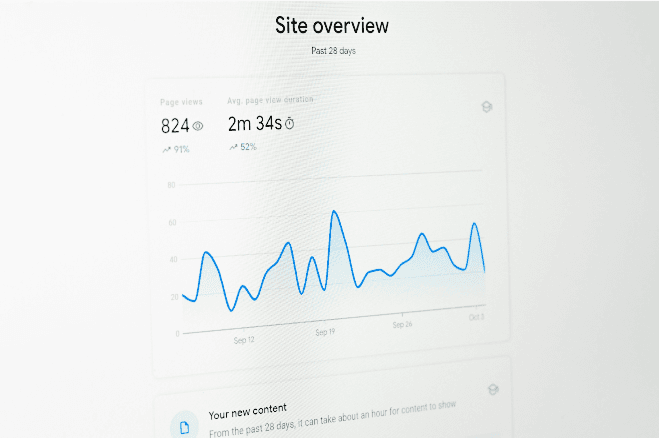
Evaluating the results of your link reclamation efforts is essential. Tracking metrics allows you to understand the effectiveness of your strategies. Consistent monitoring provides insights into improvements and areas needing attention.
Key performance indicators (KPIs) give a clear picture. Focus on metrics that reflect SEO success. This includes organic traffic, domain authority, and keyword rankings.
Valuable KPIs to Track:
- Changes in organic search traffic
- Improvement in keyword rankings
- Increase in domain authority
- Reduction in 404 error count
Use analytics tools to measure these metrics accurately. Tools like Google Analytics and Ahrefs provide detailed reporting features. They enable you to assess the impact of reclaimed links effectively.
Adjust your strategies based on these insights. Regular review helps maintain a strong link profile and supports sustained SEO growth. These evaluations contribute to a proactive approach to link reclamation.
Best Practices and Pro Tips for Ongoing Link Reclamation

Maintaining a solid strategy for link reclamation is vital for long-term SEO success. Being proactive and consistent can prevent many link-related issues. Regularly reviewing and updating your approach keeps efforts effective.
Develop a clear plan that includes monitoring and engaging with webmasters. Building relationships in your industry can ease the reclamation process and improve outcomes. It's important to stay informed about the latest SEO trends and techniques.
Key Practices to Follow:
- Schedule regular link audits (monthly or quarterly)
- Prioritize high-value links for reclamation first
- Establish strong, ongoing communication with webmasters
- Analyze competitor link profiles for new opportunities
- Document your processes and results to track improvement over time
Adapting to changes in the digital landscape ensures you stay ahead. Analyzing competitor link profiles can offer new reclamation opportunities. This can give you a competitive edge.
Document your processes and results to track improvements over time. This will help refine your strategies and demonstrate your SEO efforts' value.
Conclusion: Building a Sustainable Link Reclamation Strategy
Developing a robust link reclamation strategy is crucial for long-term SEO success. By integrating regular audits, effective management practices, and ongoing outreach, your website can retain its link equity.
Engage proactively with webmasters and consistently track your link profile's health. Such efforts help prevent link loss and foster better SEO outcomes. These practices ensure high search engine rankings and a robust online presence.
Remember that link reclamation is an ongoing commitment. Stay vigilant and adapt to emerging trends to sustain and enhance your site's authority. Establishing a robust link reclamation strategy is essential for sustaining your website's SEO success.
Streamline Your Link Reclamation with a Structured SEO Workflow
To further enhance your link reclamation efforts, consider integrating a modern SEO workflow. ProgSEO.dev is built to help teams plan, execute, and iterate on SEO work in a structured way — so link management, content updates, and performance monitoring keep moving forward without losing momentum.
- Automate content publishing and updates
- Keep your SEO processes structured and trackable
- Spend less time on manual workflows, more on strategy
It's a focused tool for one thing — helping you build compounding SEO visibility without overcomplicating the process.
Try ProgSEO.devFAQ: Link Reclamation
Link reclamation is the process of recovering lost or broken backlinks that once pointed to your website. This includes fixing 404 errors, setting up 301 redirects, and reaching out to webmasters to update outdated links — all to restore the link equity those backlinks originally provided.
Use tools like Google Search Console, Ahrefs, or SEMrush. In Google Search Console, check the 'Links' report for pages with high inbound links, then use a crawler like Screaming Frog to identify which of those pages return 404 errors. Ahrefs also has a dedicated 'Lost Backlinks' report.
Link building involves acquiring brand-new backlinks to your site. Link reclamation focuses on recovering links that already existed but were lost — due to broken URLs, site migrations, or content removal. Reclamation is generally faster and less resource-intensive because the linking site already wanted to link to you.
A 301 redirect is a permanent redirect that sends both users and search engines from an old URL to a new one. Use it when you've moved or deleted a page that had inbound backlinks — this preserves most of the original link equity and prevents visitors from hitting a 404 error.
For most websites, a monthly or quarterly link audit is sufficient. If your site is large, actively publishing content, or undergoing a migration, you should audit more frequently. The goal is to catch broken links early before they result in significant link equity loss.
Yes, it can. Every lost backlink represents lost link equity — authority signals that Google uses to rank your pages. Reclaiming those links restores the equity, which can help rankings recover or improve. The higher the authority of the linking domain, the bigger the potential impact.

Aziz J.
Co-founder @ ProgSEO.dev
Written By
Aziz is building ProgSEO.dev, a platform focused on automating SEO content production. He focuses on turning SEO into a system that consistently generates and updates content without manual workflows. Focused on building scalable SEO systems for SaaS and professional services.