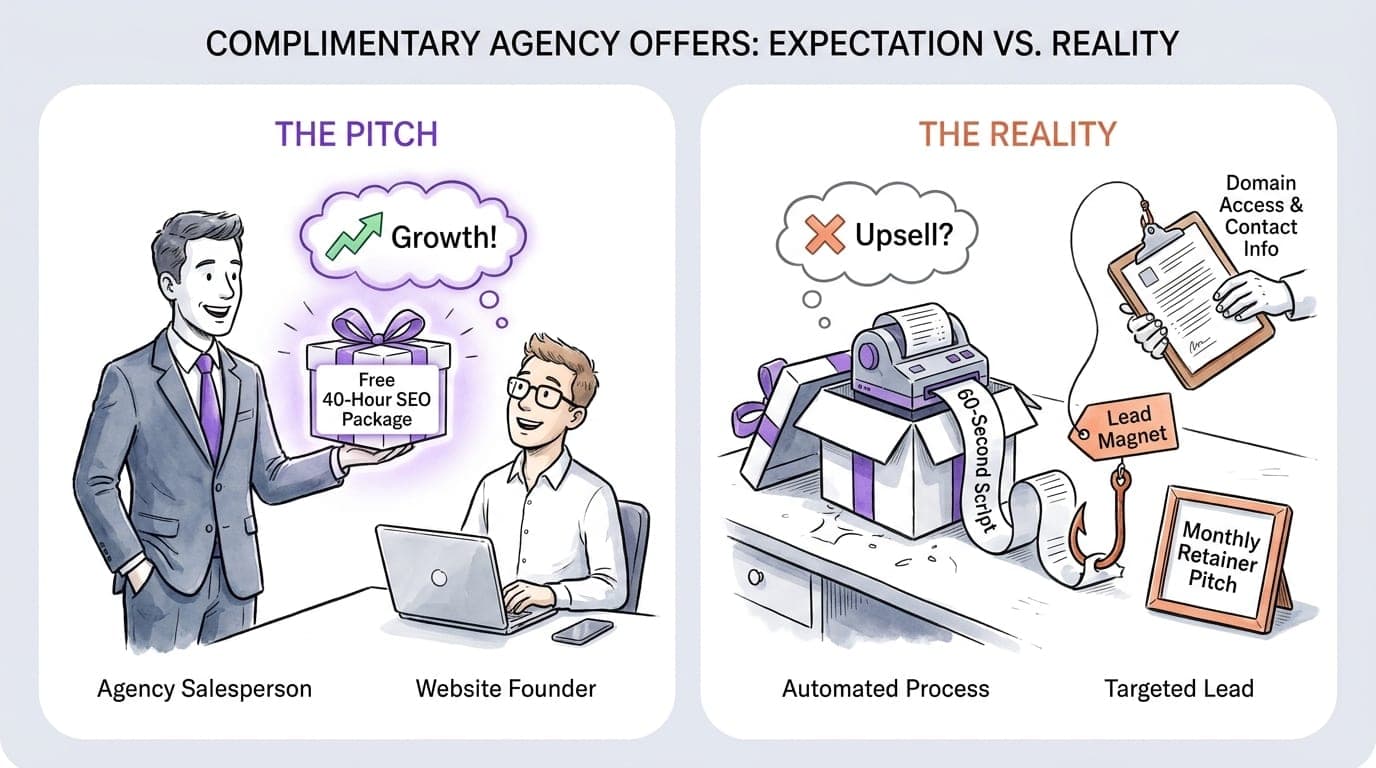
A standard free seo package delivers an automated technical audit, high-level keyword suggestions, and a sales pitch disguised as a consultation. It will not fix broken schema, rewrite page titles, or build legitimate backlinks. In my experience auditing client accounts, these packages function strictly as lead generation magnets for agencies seeking monthly retainers.
▶ Related Video
5 Free SEO Tools That Instantly Boost Google Rankings
Key Takeaways
- Lead magnets, not services. Agencies offer complimentary audits exclusively to find technical flaws that justify a recurring monthly contract.
- Zero implementation included. You receive diagnostic exports, never hands-on code adjustments, content production, or active link placement.
- Boilerplate crawl reports. Automated scanners flag hundreds of benign site warnings as critical failures to manufacture urgency.
- Capable DIY tool alternatives. Free webmaster consoles from major search engines provide more accurate raw data than third-party free audits.
- Spam schemes carry penalties. Complimentary backlink blasts from disreputable vendors risk triggering irreversible search manual action penalties.
The Commercial Reality Behind Agency Free SEO Offers
No legitimate agency performs skilled manual search optimization without charging for their time. Senior technical consultants bill hourly rates that depend on their experience and project scope because diagnosing crawl anomalies and mapping search intent demands deep technical competence. Giving away forty hours of skilled labor for free makes no financial sense for any sustainable consultancy.
Instead, agencies use these introductory deals as a classic lead magnet. By offering a surface scan without financial commitment, an agency secures your email address, phone number, and verified access to your domain architecture. Their goal is establishing an initial sales touchpoint to pitch a recurring engagement, as outlined in Google Search Central documentation on hiring search consultants.
“An unpaid audit is a diagnostic sales brochure, never a charitable optimization effort.”
- Alex Rivera
In my view, marketing an automated PDF export as a complete package borders on deceptive advertising. I have reviewed hundreds of these deliverables, and almost every single one relies on scripts that run in under sixty seconds. The agency incurs virtually zero delivery cost while collecting warm inbound sales leads.
Standard Deliverables in an Introductory Package
When you download a complimentary starter bundle, you receive raw diagnostics rather than actionable execution. Most agencies connect your URL to an off-the-shelf crawler, generate an automated report, and attach a calendar link for a sales review. You receive an itemized list of flaws without the technical labor required to resolve them.
- Automated crawler report: An export showing 404 status codes, missing meta descriptions, and redirect chains identified by an algorithmic scan.
- Broad keyword suggestions: A spreadsheet of high-volume keywords exported directly from keyword databases without intent classification.
- Surface competitor overview: High-level domain visibility metrics comparing your organic footprint against two or three commercial rivals.
- Introductory strategy review: A thirty-minute video consultation designed to highlight technical deficits and pitch paid remediation.
In my experience, generic keyword lists provided in free bundles are practically worthless because they completely ignore search intent. An agency will hand you five broad terms with massive search volume, but they will not map them to your content structure or transactional conversion paths. For technical error diagnostics, cross-referencing server responses against standard Mozilla Developer Network status code references reveals that many flagged errors are trivial.
| Deliverable Component | Free Package Offering | What Actual Implementation Requires |
|---|---|---|
| Technical Diagnostics | Automated PDF summary of crawling errors | Server-log analysis, indexation pruning, and code fixes |
| Keyword Research | Unfiltered export of high-volume head terms | Intent mapping, search difficulty evaluation, and topic clustering |
| On-Page Optimization | Generic advice like 'improve title tags' | Custom title writing, structured schema deployment, and internal linking |
| Backlink Acquisition | Zero links or automated directory blasts | Editorial digital PR, partner outreach, and authoritative link acquisition |
Commercial Risks, Upsells, and Dangerous Traps
Relying on complimentary optimization offers introduces distinct operational and commercial vulnerabilities. Because the agency has no contractual obligation to protect your search equity, low-quality automated treatments can do permanent damage to your organic performance. Knowing where these offers turn predatory protects your web assets.
The first trap involves manufactured urgency through artificial error inflation. Automated scanners often label missing Open Graph tags, external redirect notices, and normal caching headers as critical site failures. The agency then uses that scary red dashboard to pressure non-technical founders into expensive contracts.
- Mistake 1: Panicking over automated error scores. Business owners frequently mistake benign warning flags for catastrophic site penalties. Most sites function perfectly with hundreds of minor redirect notices that require no emergency budget.
- Mistake 2: Accepting complimentary link packages. Disreputable vendors often bundle 'free backlinks' generated by automated software across spam networks. This practice directly violates search quality rules and invites manual demotion.
My firm opinion is that accepting free backlink packages is the single fastest way to destroy domain authority. Search engines actively penalize automated link networks under their published Google Spam Policies. Recovering from an algorithmic or manual action penalty costs far more than any initial agency retainer. When business owners seek to promote your site organically, relying on automated link shortcuts consistently proves disastrous.
Assembling a Legitimate Zero-Cost DIY SEO Suite
You do not need to trade your contact information for diagnostic data when search engines give away primary toolsets. In my practice, I routinely assemble self-managed toolkits using verified webmaster platforms that outperform commercial audit PDFs in accuracy and depth.
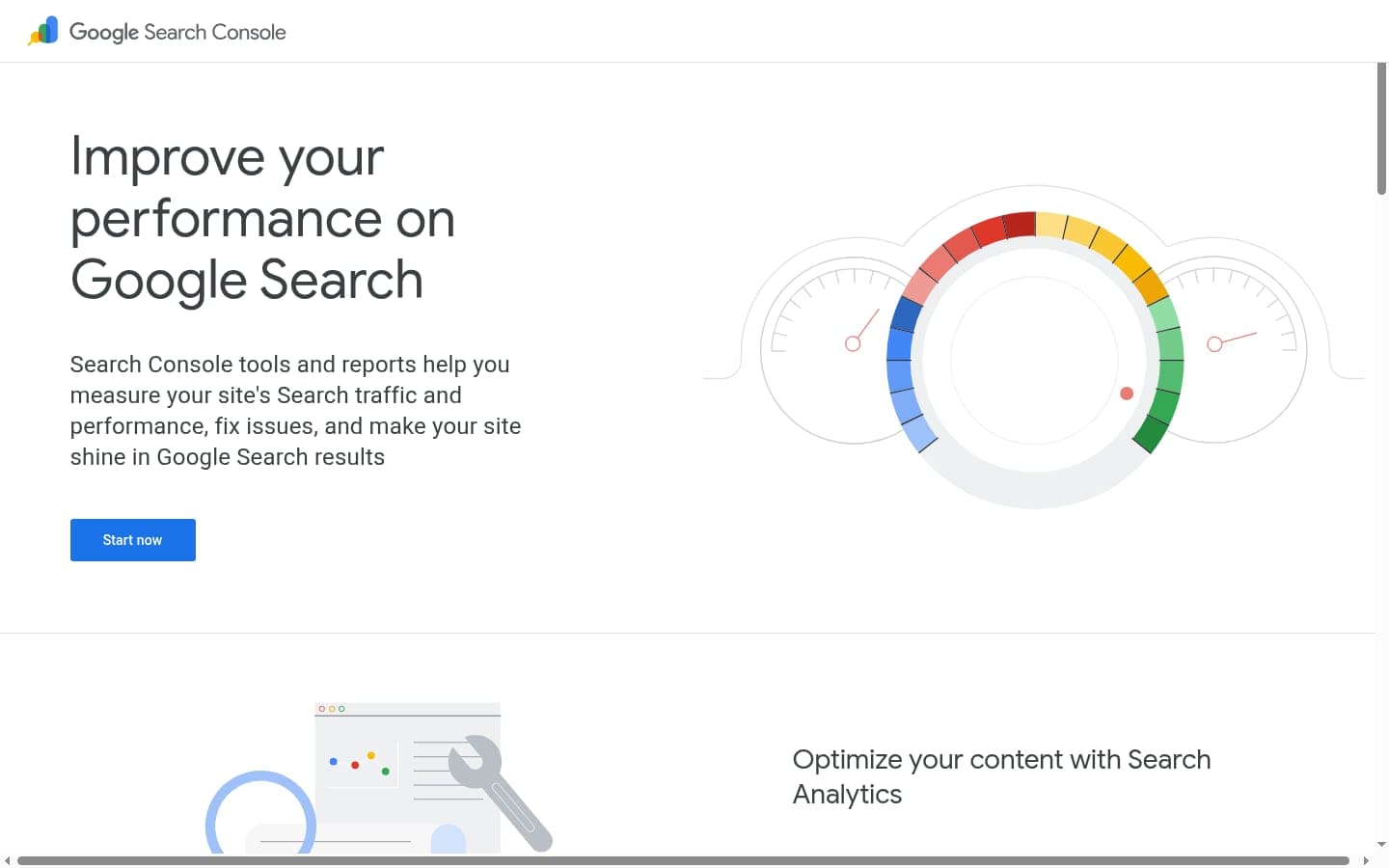
The foundation begins with search engine consoles. Google Search Console provides first-party click data, index coverage logs, and core web vitals diagnostics. For technical site audits and keyword discovery, third-party platforms offer verified free tiers designed specifically for site owners.
- Google Search Console data limits: Top 1,000 links shown and top 1,000 keywords shown as of October 2026.
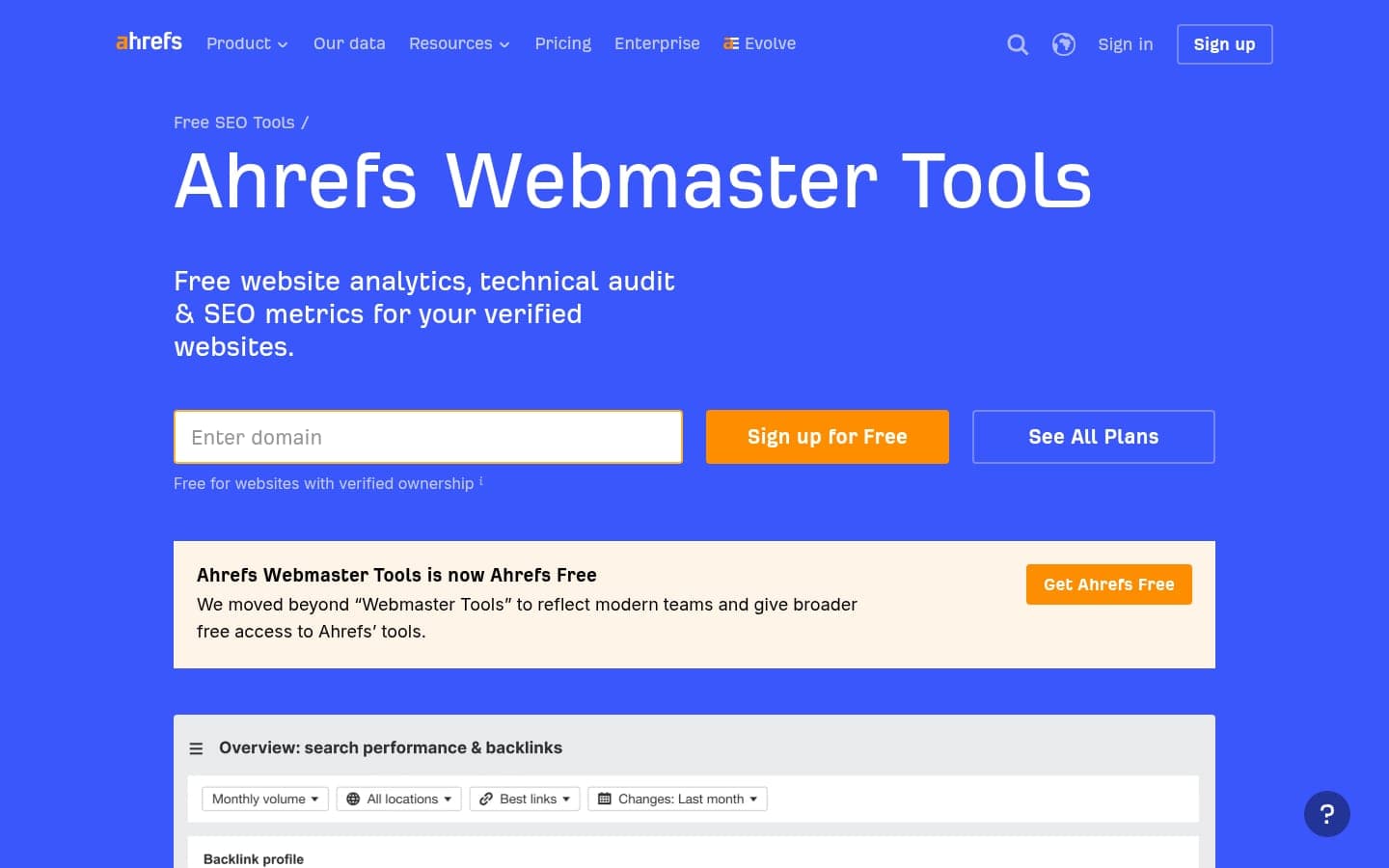
- Ahrefs Webmaster Tools crawl capacity: 5 K Site Audit crawl credits per project per month as of October 2026 (Ahrefs Webmaster Tools).
- Ahrefs Webmaster Tools visible limits: 1 K visible backlinks and keywords in Site Explorer, plus 1 M Web Analytics events per project as of October 2026.
- Ahrefs Webmaster Tools content credits: 1 AI Content Helper free doc per month as of October 2026.
- Ahrefs Free verified tier: 5,000 crawl credits per verified project per month, with 1000 backlinks and 1000 keywords visible at once as of October 2026.
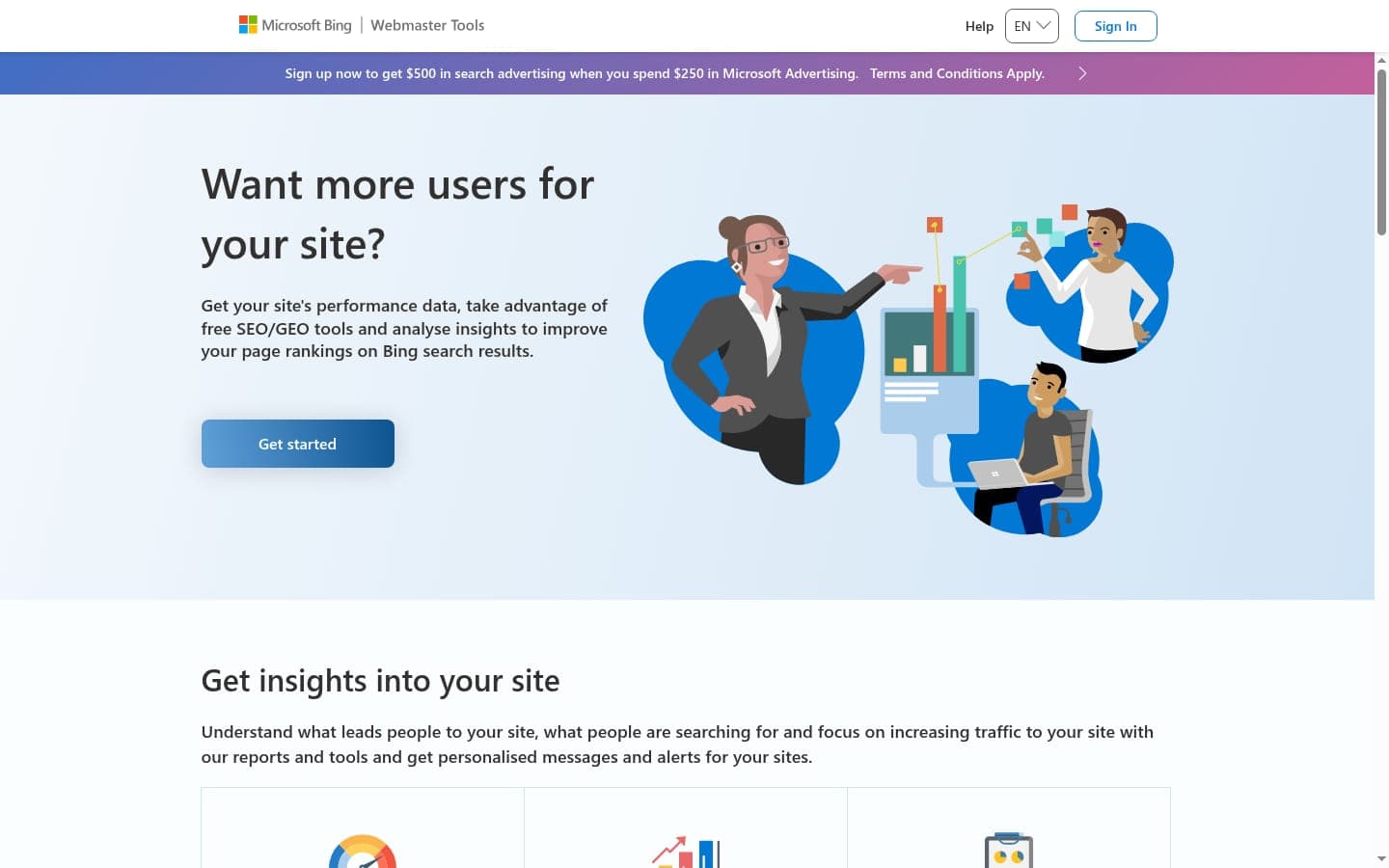
For cross-engine visibility, Bing Webmaster Tools delivers built-in technical scanning and backlink reporting without arbitrary crawl caps. Furthermore, desktop tools like the free tier of Screaming Frog SEO Spider allow you to audit up to 500 URLs locally on your computer. Just as e-commerce entrepreneurs leverage the eRank free plan for marketplace analysis, website owners can assemble professional toolsets without paying monthly subscriptions.
In my evaluation, webmasters rely far too heavily on third-party estimates when primary consoles offer pristine, unfiltered telemetry directly from search crawlers. Combining first-party search consoles with local desktop crawlers eliminates the need for generic introductory agency packages.
Evaluating Legitimate Agency Audits Versus Scams
Not every complimentary agency audit is predatory. Elite boutique consultancies occasionally offer high-value discovery sessions to vet prospective clients before agreeing to a partnership. Discerning between a genuine discovery session and an automated sales script requires evaluating their methodology.
A credible agency focuses on business context rather than cosmetic dashboard scores. They examine how organic traffic converts, check structural alignment against the Schema.org standard, and investigate whether your server delivers clean HTTP responses based on W3C Markup Validation Service standards.
- Tailored business questions: Legitimate consultancies ask about customer acquisition economics, margin profiles, and current lead values before discussing keywords.
- Custom server inspection: Real auditors inspect your robots configuration under the IETF RFC 9309 robots.txt standard and check site speed via Cloudflare Learning Center performance metrics.
- Specific manual notes: Trustworthy packages highlight two or three architecture bottlenecks rather than an overwhelming dump of hundreds of automated warnings.
- Zero ranking promises: Ethical practitioners never guarantee specific rank positions, because search algorithms update continuously outside agency control.
My belief is simple: any provider offering guaranteed first-page placements within thirty days is running an outright deception. Legitimate technical optimization is an iterative discipline governed by crawl budgets, site architecture, and content relevance, never secret shortcuts or automated backlink blasts.
When to Graduate from Free Audits to Paid Services
Free diagnostic packages and DIY tools serve founders well during early validation phases. However, as web architectures expand and competitive pressure intensifies, self-guided execution eventually hits hard capacity ceilings. Recognizing when your organic opportunity outgrows free toolkits prevents costly stagnation.
I look for specific operational inflection points when advising teams on paid transitions. When technical fixes require custom database refactoring, or when manual content production cannot match competitive indexation velocity, professional agency contracts or specialized software become essential.
- Internal engineering bottlenecks: When your team lacks developer bandwidth to implement Core Web Vitals optimizations or structured data fixes.
- Plateaued organic expansion: When baseline DIY audits reveal zero technical errors, yet impressions remain stagnant due to topical authority deficits.
- High competitive keyword difficulty: When primary revenue keywords are dominated by enterprise domains backed by continuous digital PR.
- Scaling ongoing maintenance: When routine tasks demand an ongoing seo maintenance package to monitor crawl health and algorithm changes.
In my assessment, purchasing a full-scale agency retainer before you understand your baseline site telemetry is the fastest way to burn your marketing budget. Master your free webmaster data first, pinpoint exactly what you cannot execute yourself, and only then commission specialized support.
When expanding programmatic architecture and managing hundreds of targeted search pages, ProgSEO helps teams automate data-driven content generation without requiring expensive manual agency retainers.
A free SEO package typically contains an automated technical crawl report, high-level keyword lists, and a sales consultation. Its limitations include zero code execution, lack of custom content creation, and no manual backlink outreach.
On its own, no. The package only identifies existing issues on your website. Your search ranking improves only when your team manually fixes technical bugs, builds topical authority, and earns external editorial links.
The primary risks include high-pressure sales upsells, manufactured urgency over harmless warning flags, and toxic backlink blasts that can trigger algorithmic penalties or manual actions from search engines.
Transition to paid services when technical complexity exceeds your internal development capacity, organic rankings plateau despite zero crawl errors, or scaling content production manually becomes cost-prohibitive.
Sources & References
- Google Search Central — documentation on search crawling, indexing, and technical optimization best practices.
- Google Search Console — primary webmaster tool providing first-party search performance and indexing telemetry.
- Ahrefs Webmaster Tools — site audit and explorer platform detailing verified project limits and crawl credits checked in October 2026.
- Bing Webmaster Tools — search engine management console offering free technical diagnostics, sitemap reporting, and crawl data.
- Google Spam Policies — guidelines detailing search penalties, link schemes, and abusive optimization practices.
- Mozilla Developer Network — reference documentation covering HTTP response status codes, redirects, and client errors.
- W3C Markup Validation Service — web standards validator confirming HTML syntax and architectural markup integrity.
- Cloudflare Learning Center — technical education portal covering page speed metrics, latency, and caching strategies.
- Schema.org — collaborative community standard defining structured data schemas for semantic web markup.
- Screaming Frog SEO Spider — desktop crawling software providing local site audits and diagnostic logging.
- IETF RFC 9309 — official Internet standard document establishing the Robots Exclusion Protocol specification.