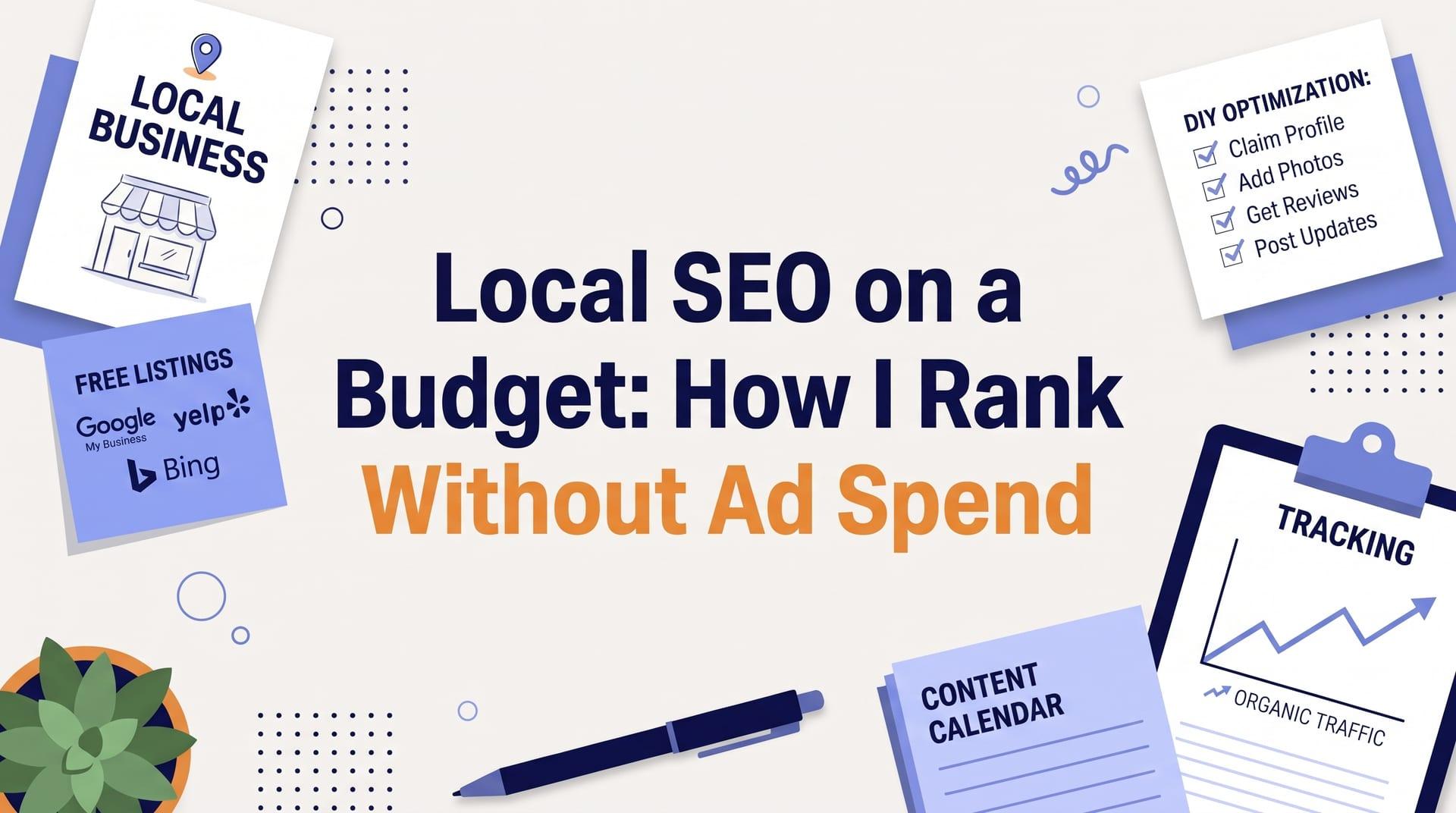
Executing local seo on a budget comes down to controlling three zero-cost levers: fully optimizing your Google Business Profile, structuring your website with local metadata, and gathering genuine customer reviews systematically. You do not need a four-figure retainer to rank in Google's Local 3-Pack.
▶ Related Video
Local SEO Tips For Google Rankings On A Budget 2020
I have consistently seen lean, independent businesses outrank regional franchises through disciplined manual execution. If you can dedicate three hours a week to your search presence, you can build durable local prominence without burning through operating cash.
| Focus Area | Primary DIY Action | Setup Time | Local Impact |
|---|---|---|---|
| Google Business Profile | Set exact primary category, list services, upload geo-photos | 2 hours | High (Local 3-Pack rank) |
| On-Page SEO | Add city/service to title tags, embed map, paste Schema | 3 hours | High (Geographic relevance) |
| Review Generation | Send direct review shortlinks via personal SMS follow-ups | 5 mins/client | Very High (CTR & prominence) |
| Directory Citations | Manually claim Apple Connect, Bing, Yelp, and BBB | 4 hours | Medium (NAP trust verification) |
| Local Link Building | Trade links with neighboring vendors, sponsor local groups | 2 hours/month | High (Domain authority) |
Key Takeaways
- GBP drives pack rank. Your primary category selection and profile completeness determine the majority of your Google Maps placement.
- Direct SMS beats software. Manually sending a direct review link right after completing a job delivers higher response rates than costly email tools.
- Manual citations save money. Claiming the top 20 regional directories yourself provides identical trust signals to expensive recurring data aggregators.
- Free tooling covers diagnostics. Google Search Console, Bing Places, and PageSpeed Insights deliver all required audit data without paid subscriptions.
- Retainers under $120 carry risk. Low-cost automated link schemes often violate search guidelines and risk profile suspensions.
Maximizing Your Free Google Business Profile for the Local 3-Pack
Your Google Business Profile (GBP) acts as your primary visibility engine, influencing map pack rankings more than any single backlink you could buy.
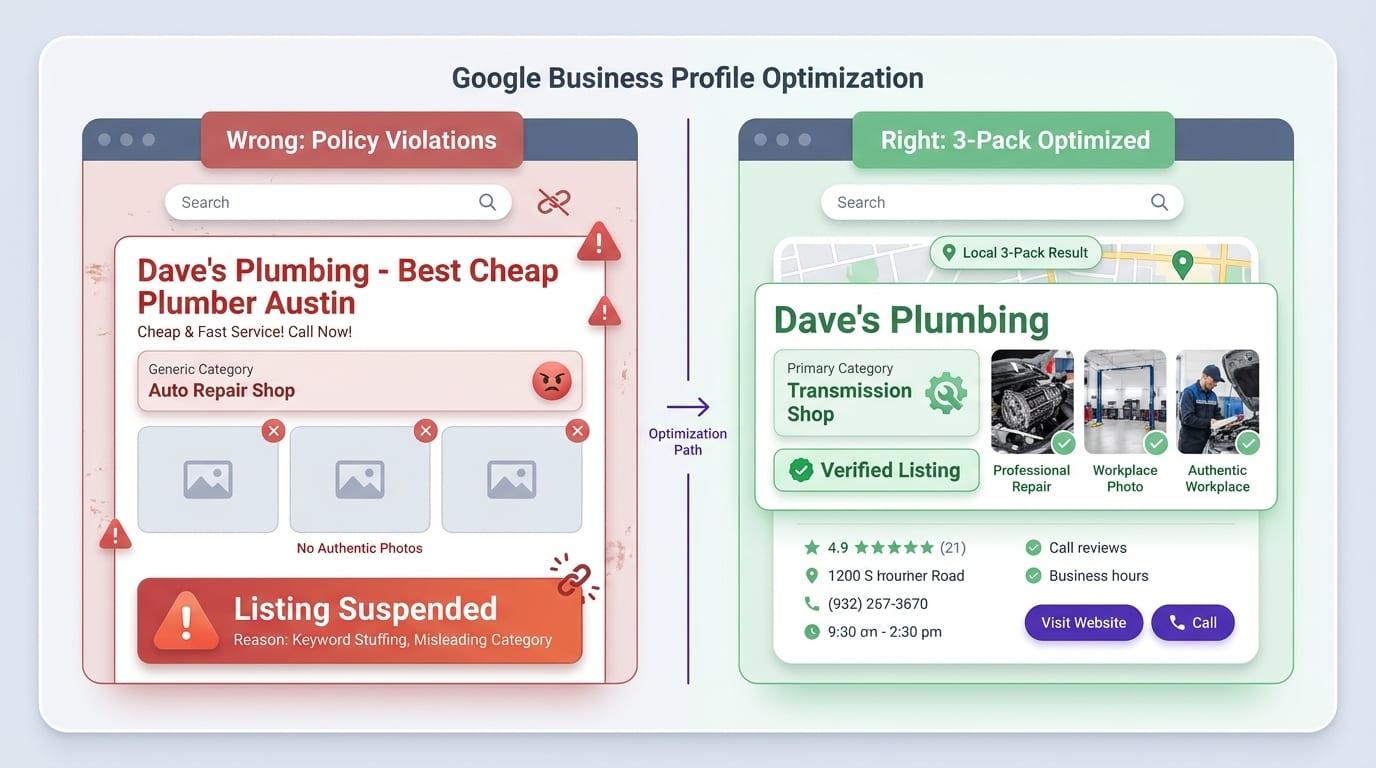
Begin by claiming your listing and selecting the most specific primary category possible. If you operate an auto repair shop specializing in transmissions, setting your primary category as "Transmission Shop" rather than the generic "Auto Repair Shop" gives you an immediate proximity advantage for high-intent searches.

Next, complete every available data field. Fill out your exact operating hours, service area boundaries, secondary categories, and your detailed service menu with transparent pricing. Upload high-resolution photos of your actual work, staff, and office exterior every month.
Here is a common mistake I see business owners make: keyword stuffing the business name. Adding modifiers like "Dave's Plumbing - Best Cheap Plumber Austin" violates Google's guidelines and frequently results in hard suspensions that wipe out your listing.
- Claim your listing: Verify ownership via video verification, phone, or postcard.
- Select your primary category: Choose the narrowest relevant classification available in Google's database.
- Complete your service catalog: Add individual services with detailed descriptions and fixed prices.
- Upload authentic photos: Avoid stock images; post 3-5 real workplace photos monthly.
- Turn on messaging: Enable direct customer chat inside the GBP dashboard to capture immediate inquiries.
My opinion is that publishing weekly "Google Posts" is mostly busywork that does little for ranking. Put your effort into real customer photos and detailed service descriptions instead.
If you need immediate leads while your profile matures, Local Services Ads (LSAs) can provide a temporary bridge, but your organic GBP configuration remains the primary driver of compounding returns. Aligning this setup with a broader local search marketing strategy ensures your organic visibility scales sustainably.
DIY On-Page Local Optimization and Schema Without a Developer
You can optimize your website for geographic relevance in an afternoon without touching advanced code or hiring an external developer.
The simplest high-impact fix is aligning your title tags and primary headings. Use a clear structure across your core pages: `[Core Service] in [City, State] | [Business Name]`. Keep your title tag under 60 characters so it displays cleanly in mobile search results.
Your site footer must display your exact NAP data (Name, Address, Phone Number). This text must match your Google Business Profile character for character, including suite numbers and directional abbreviations.
- Title Tag: Position your target service and city name near the beginning of the tag.
- H1 Header: Include your primary offering and target municipality once per landing page.
- Footer NAP: Place identical business contact information across every page.
- Embedded Map: Embed an official Google Maps iframe of your verified listing on your contact page.
To feed search engines clean structured data, paste a JSON-LD snippet based on Schema.org LocalBusiness into your site header. Google's structured data guidelines show you exactly how to format these properties.
text
{
  "@context": "https://schema.org",
  "@type": "LocalBusiness",
  "name": "Precision Plumbing Pros",
  "image": "https://example.com/logo.jpg",
  "telephone": "512-555-0198",
  "address": {
    "@type": "PostalAddress",
    "streetAddress": "1204 South Congress Ave",
    "addressLocality": "Austin",
    "addressRegion": "TX",
    "postalCode": "78704"
  },
  "url": "https://example.com"
}
In my view, creating dozens of thin landing pages for every surrounding suburb dilutes your domain strength. Stick to dedicated pages for areas where you actually maintain physical roots or documented client case studies.
Building a System for Customer Reviews Without Monthly Software Fees
Consistent review velocity and positive sentiment are powerful prominence signals that cost nothing to collect when integrated directly into your daily job routine.
You do not need a reputation SaaS tool to generate customer feedback. Google provides a free shortlink directly inside your profile manager under the "Ask for reviews" button. Copy this link and save it in your mobile notes app.
70%+
Consumers who leave a review when asked directly via SMS
24h
Optimal window to request a review following job completion
100%
Free review generation cost using native shortlinks
Send a personalized text message to your customer within one hour of finishing your service. A short, direct text converts far better than automated corporate emails sent three days later.
- Generate your shortlink: Pull your direct review URL from your GBP dashboard.
- Send a manual text: Message the client immediately while their positive experience is fresh.
- Suggest detail: Encourage them to name the specific service performed and the technician who helped.
- Reply to every entry: Respond within 48 hours, mentioning the specific neighborhood and service delivered.
I believe automated review gatekeeping software—tools that funnel unhappy customers away from Google—is a waste of money. Google's algorithms reward natural, authentic review patterns over manicured perfection.
Manual Citation Building and Community Backlinks on Zero Budget
Building your own business citations manually requires about four hours of focused effort and saves you hundreds of dollars in recurring data aggregator fees.
Another major mistake business owners make is paying recurring subscriptions for citation sync services. The moment you cancel those annual plans, your listings often revert to unmanaged states or disappear entirely. Claim them manually so you retain permanent ownership.
Start by claiming profiles on major tier-one platforms. These directories validate your geographic presence and pass trusted entity signals back to your primary domain.
- Bing Places: Use their one-click sync feature to import your Google Business Profile data.
- Apple Business Connect: Powers navigation results across Apple Maps and iOS searches.
- Yelp for Business: Claim the free profile; decline all persistent sales calls for paid advertising.
- Better Business Bureau: Secure a free profile listing even if you choose not to pay for accreditation.
- Local Chamber of Commerce: Look for free or low-cost regional directories run by civic associations.
Paid citation aggregators remain an option only when your time is far more constrained than your budget, but manual claiming gives you absolute control over data precision.
For backlinks, focus on your immediate community. Sponsor a local youth sports league, partner with neighboring non-competing trades for reciprocal resource links, or offer a quote to local news outlets. My firm stance is that two authentic neighborhood links will do more for your local visibility than fifty generic directory links.
The Lean Local SEO Tool Stack for Audits and Visibility
A functional local SEO toolkit does not require a triple-digit monthly subscription when free industry-standard tools supply all the diagnostic precision you need.
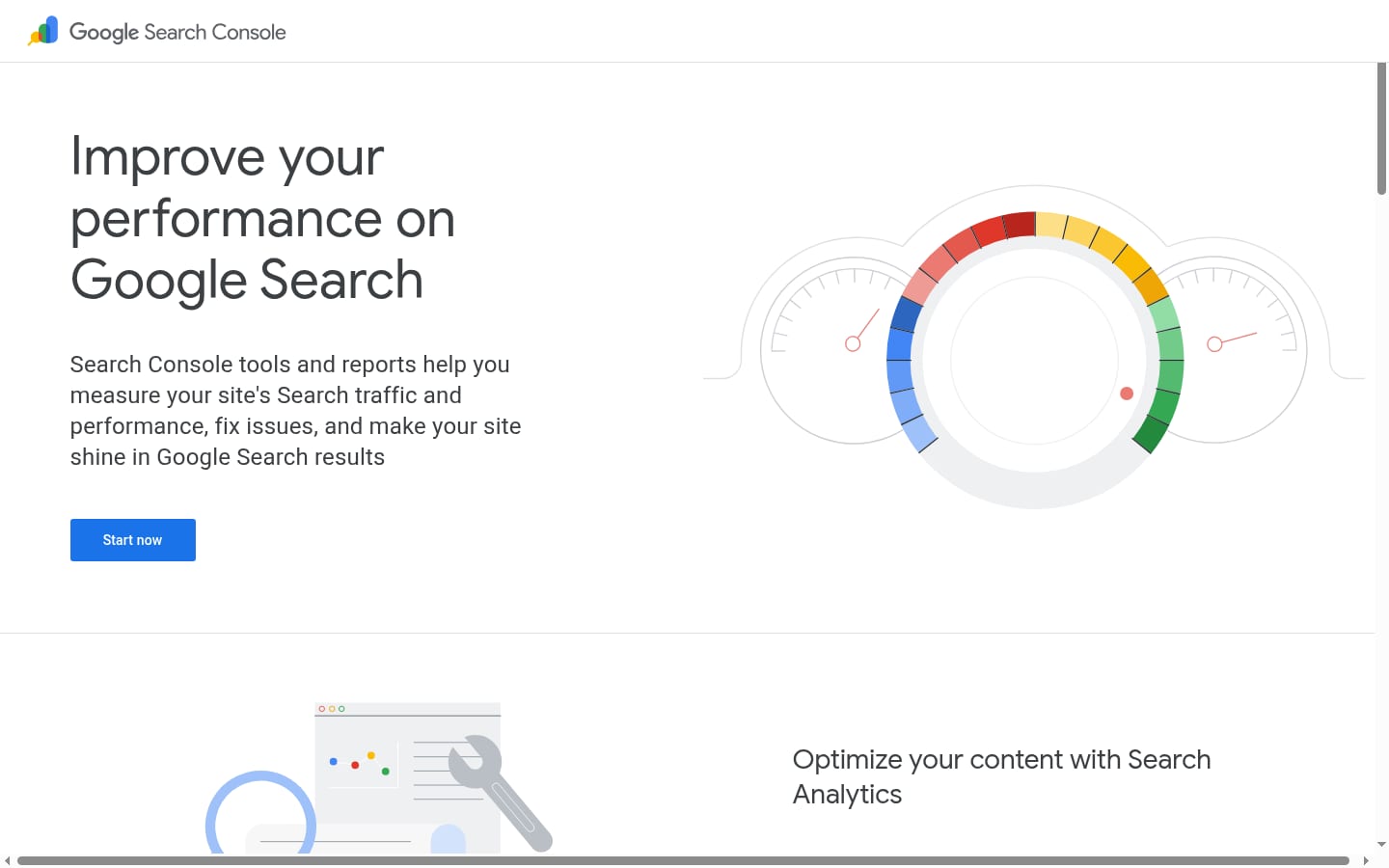
Use Google Search Console to track your organic impressions, identify zero-click search queries, and monitor technical indexation issues across your site.
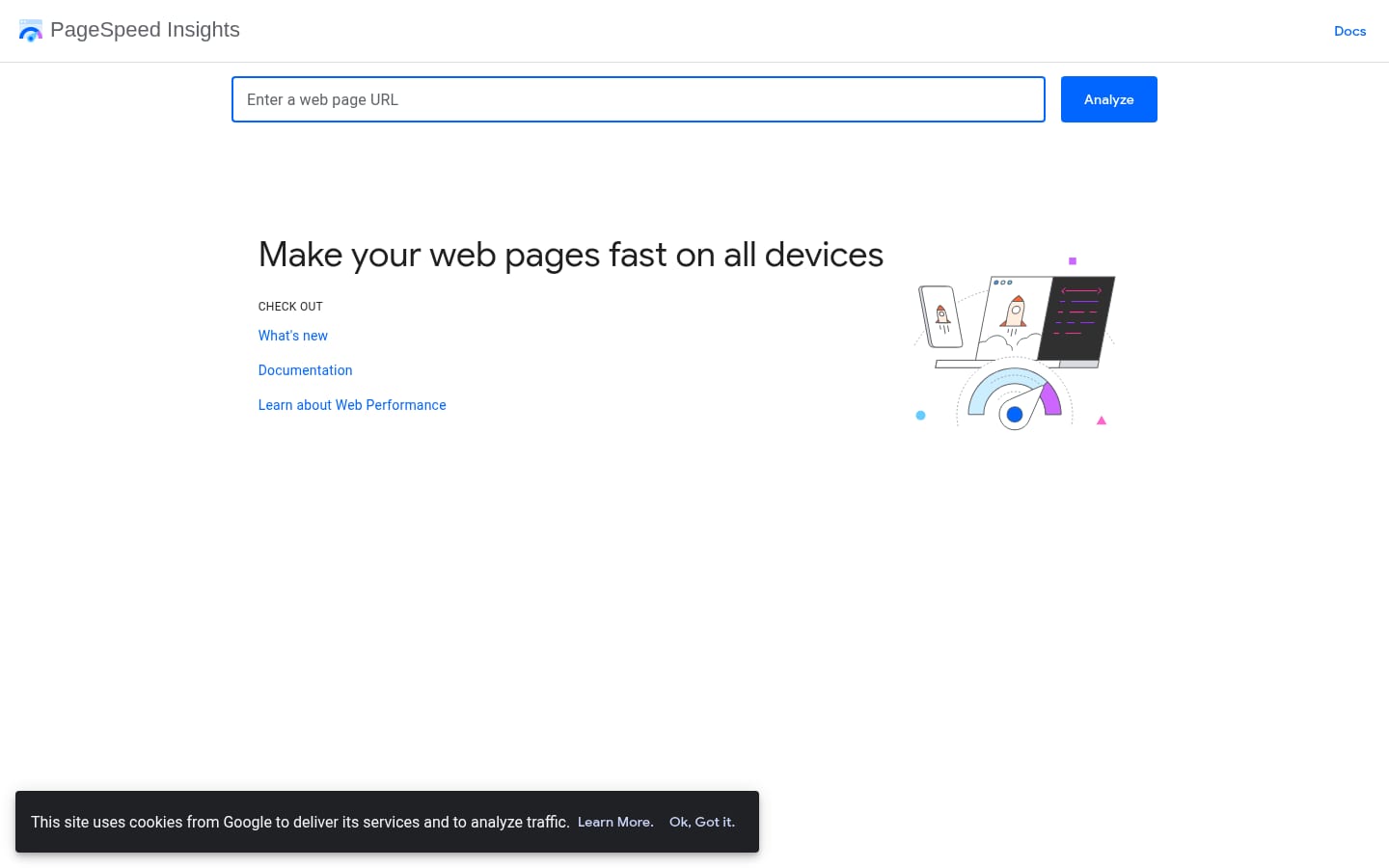
For mobile speed and rendering audits, run your key landing pages through PageSpeed Insights. Mobile load performance directly impacts conversion rates for local searchers on cellular networks.
📊
Google Search Console
Monitors geographic search queries, click-through rates, and crawl errors for free.
⚡
PageSpeed Insights
Tests mobile responsiveness and Core Web Vitals to keep your landing pages snappy.
🗺️
Incognito Map Tracking
Manually checks local pack positions across target zip codes without tracking fees.
📋
Google Sheets Tracker
Documents citation login credentials, NAP records, and monthly review totals.
I think relying on bloated audit scores from paid software creates unnecessary anxiety. Focus strictly on whether your local pages index properly and load cleanly on a smartphone.
Organizing these free diagnostic tools within a structured local seo business plan ensures you prioritize work that drives actual phone calls rather than vanity metrics.
Evaluating Low-Cost Local SEO Services and Spotting Red Flags
Hiring outside help when your marketing budget is limited requires clear benchmark pricing so you do not fall prey to predatory agencies selling worthless deliverables.
Checked on EZ Rankings as of November 2026, standard local SEO pricing ranges from $120 to $550 (per month) for monthly retainers, while hourly consulting runs between $75-$150 (per hour). Specialized local agencies frequently command $90+ (per hour).
For fixed projects, costs typically fall between $1,200 and $4,000 (one-time). Entry-level packages for a New Local Startup range from $120–$250 (per month), while a Growing Local Brand package costs $250–$550 (per month). Highly competitive or multi-location businesses start at $550+ (per month).
“If an agency promises guaranteed first-place rankings in the Local 3-Pack for under $100 a month, they are using automated spam networks that put your business at risk.”
- Marcus Vance
Reviewing structured local seo plans can help you verify whether a provider's proposed deliverables represent meaningful optimizations or automated filler.
- Guaranteed rankings: No agency controls Google's local algorithm; guarantees are deceptive.
- Secret backlink networks: Low-cost packages often rely on private blog networks that invite manual penalties.
- GBP ownership locks: Walk away immediately if a vendor creates your Google listing under their private agency master account.
- Opaque reporting: Avoid agencies that provide automated PDF scorecards instead of transparent keyword impression trends.
In my experience, if an outsourced vendor refuses to grant you primary administrative ownership of your Google Business Profile, terminate the contract immediately. You must always own your listing data.
Executing local optimization yourself builds lasting digital assets that maintain their value long after initial setup. When you are ready to scale localized content across multiple service categories without heavy manual lifting, ProgSEO automates high-quality programmatic page generation directly from your business data.
Yes. The vast majority of local search visibility comes from optimizing your Google Business Profile, gathering customer reviews, and managing accurate directory listings, none of which require software development skills.
GBP category updates and direct review generation can produce ranking improvements within 2 to 4 weeks. Broader organic website improvements and citation signals typically take 60 to 90 days to register fully.
No. When you claim citations manually on sites like Bing, Apple Connect, and Yelp, your listings remain active indefinitely without recurring subscription fees.
Sub-$100 services often deploy automated forum links, keyword-stuffed business names, or fake reviews. These practices violate Google's guidelines and can lead to permanent profile suspensions.
Sources & References
- Google Business Profile Guidelines — Official policies governing category selection, naming rules, and profile eligibility.
- Schema.org LocalBusiness — Core structured data specifications for declaring local business properties and addresses.
- Google Developers Structured Data — Technical documentation on implementing LocalBusiness markup for rich snippets.
- Apple Business Connect — Native platform for claiming and managing local business listings on Apple Maps.
- Bing Places for Business — Portal for syncing local profiles to Bing search and mapping results.
- Yelp for Business — Official interface for verifying business information and claiming free directory listings.
- Better Business Bureau — Regional directory providing verified business profile data and entity credibility.
- Google Search Console — Diagnostic tool for tracking query impressions, mobile performance, and crawl issues.
- PageSpeed Insights — Free testing tool measuring Core Web Vitals and mobile page responsiveness.
- EZ Rankings Local SEO Cost Guide — Local SEO industry benchmarks for monthly retainers, hourly rates, and package fees.