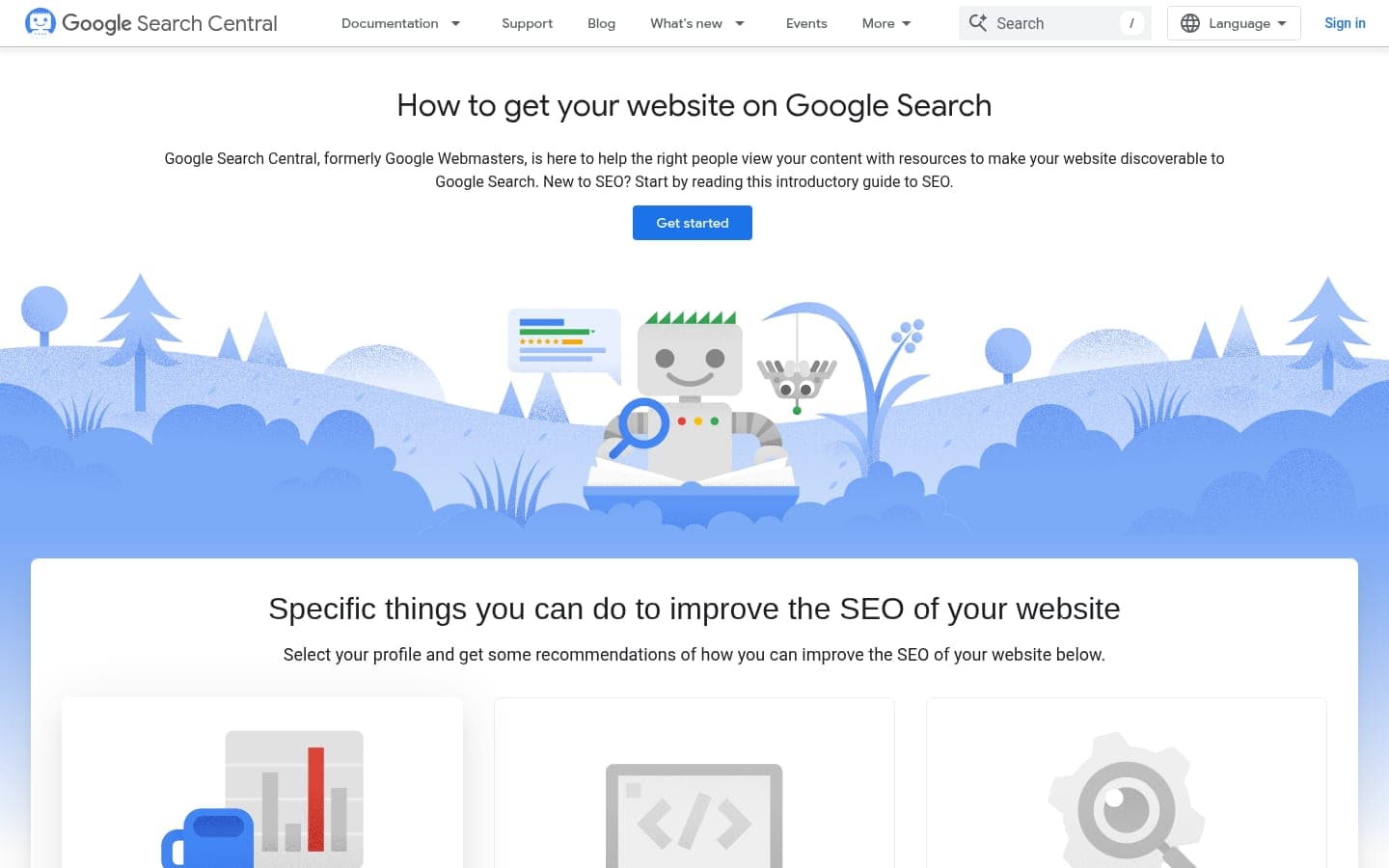
Treating paid and organic search as rival silos wastes budget. To capture durable search demand, you need unified seo sem marketing strategies that test intent quickly while organic content drives compounding value. Choose paid campaigns for immediate intent validation and market entry, then pivot budget into organic execution once conversion metrics confirm commercial demand.
▶ Related Video
How to Drive Traffic to Your Website Without Ads
Navigate this guide using the quick table of contents below to explore individual strategic frameworks:
- The Operational Synergy Between SEO and Paid Search
- Cross-Channel Keyword Intelligence and Validation
- SERP Domination: When to Bid on Keywords You Rank For
- Standalone Priorities for Organic and Paid Execution
- Budget and Resource Allocation Across Business Stages
- Unified Search Reporting and Blended Attribution
Key Takeaways
- PPC validates content investment. Test expensive commercial queries with paid ads before committing months of engineering or editorial resources to organic content production.
- Dual SERP presence lifts total clicks. Holding both top paid ad positions and top organic rankings captures up to 30% more incremental traffic than organic listings alone.
- Shift budget across growth stages. Allocate up to 80% of budget to paid search during initial launch, transitioning toward an organic-led split as domain equity matures.
- Pruning negatives protects organic rank. Mining search term reports prevents wasted ad spend and exposes gaps in informational content coverage.
- Measure blended search CAC. Evaluating paid and organic channels together prevents cutting ad spend on branded terms that drive high-margin organic conversions.
The Operational Synergy Between SEO and Paid Search
The fastest way to burn search marketing budget is optimizing for organic rankings on queries that do not actually convert.
Search Engine Optimization (SEO) builds permanent equity by satisfying informational and commercial search intent organically. Search Engine Marketing (SEM), specifically pay-per-click (PPC) advertising on platforms like Google Ads, delivers immediate visibility and precision targeting at a variable cost per click.
When we treat these channels as partners rather than rivals, their efficiency multiplies. Paid ad testing validates search queries before content writers draft 2,000-word guides. In turn, authoritative organic content generates the top-of-funnel traffic required to build retargeting pools for targeted paid campaigns.
- Data sharing: PPC query reports feed high-converting keywords directly into organic content roadmaps.
- Retargeting efficiency: Organic blog traffic creates high-intent remarketing audiences at zero initial ad cost.
- Message testing: Fast ad copy experiments reveal the value propositions that drive highest organic click-through rates.
A common mistake I see marketing teams make is operating SEO and PPC teams in total isolation with separate agency points of contact. When paid specialists withhold search term conversion reports from SEO teams, organic writers spend months chasing vanity volume on keywords that never generate sales.
In my opinion, PPC is the single best research department an SEO team can ever have. Why guess how Google Search Central will interpret user intent when paid campaigns can confirm transaction rates within 48 hours?
Teams that systematically evaluate SEM traffic alongside organic click patterns avoid bidding blind on low-converting transactional terms.
Cross-Channel Keyword Intelligence and Validation
Run paid search campaigns for three weeks before writing a single word of high-intent organic content.
Traditional keyword research tools estimate search volume and keyword difficulty, but they cannot tell you whether a query actually converts on your specific offer. Bidding on candidate keywords via exact match ad groups reveals real-world click-through rates and landing page conversion rates.
- Step 1: Select 10 to 15 commercial queries identified in discovery tools.
- Step 2: Launch an isolated Google Ads campaign with strict phrase and exact match targeting.
- Step 3: Drive at least 100 clicks per keyword to a dedicated, high-speed landing page.
- Step 4: Export conversion rates and filter for queries delivering a cost per acquisition under your target threshold.
Once your search term report shows which specific search queries yield customers, pass those exact phrases to your editorial team. This process completely de-risks organic content production.
In my view, relying purely on third-party keyword volume metrics is a gamble. Comparing tools using guides like Moz vs Semrush vs Ahrefs is useful for competitive intelligence, but proprietary conversion data from your own search ad account will always outperform third-party volume estimates.
Regularly auditing search query reports through official Google Ads Help documentation also exposes unexpected negative keywords. Filtering out non-converting queries protects paid budget while uncovering informational questions that belong in top-of-funnel blog posts rather than paid landing pages.

SERP Domination: When to Bid on Keywords You Rank For
Bidding on your own brand terms and high-converting organic keywords is an aggressive defensive moat, not wasted spend.
Marketing executives constantly ask whether they should bid on keywords where their website already ranks in position one organically. The short answer is yes, particularly when search results pages display rich snippets, local packs, and competitor ads above the fold.
According to Google's research on search ad incrementality, pausing search ads results in organic results failing to recover roughly 50% to 89% of paid clicks, even when ranking in position one organically.
- Competitor poaching: When rival brands actively bid on your trademark, a paid search ad ensures you remain the top clickable result.
- Viewport real estate: On mobile screens, top ad units push organic rank #1 below the scroll line.
- Conversion rate spikes: Holding both the top paid result and organic rank #1 creates a psychological trust signal that increases total click-through rates.
- Promotion control: Paid ad sitelinks allow you to highlight seasonal discounts or new product announcements that organic meta descriptions cannot reflect instantly.
The second major mistake I frequently encounter is shutting down brand ad campaigns under the naive assumption that organic rankings capture all branded search traffic. Competitors will actively bid on your brand name, siphoning away bottom-of-funnel prospects who click the first sponsored link they see.
My take is uncompromising: if a direct competitor bids on your branded terms, abandoning paid defense is pure organizational negligence. A dual organic and paid presence guarantees maximum SERP real estate and protects your customer acquisition pipeline.
| Funnel Stage | Primary Strategic Channel | Tactical Execution | Primary Success Metric | Cost Structure |
|---|---|---|---|---|
| Top of Funnel (Educational) | SEO Dominant | Comprehensive guides, glossary terms, programmatic comparison hubs | Organic Impression Share | Fixed upfront production cost |
| Middle of Funnel (Evaluation) | Blended SEO & SEM | Alternative pages, product roundups, remarketing ad extensions | Assisted Conversions | Blended content and retargeting spend |
| Bottom of Funnel (Commercial) | SEM Heavy with SEO Defense | Exact match branded campaigns, transactional feature pages | Customer Acquisition Cost (CAC) | Variable pay-per-click spend |
Standalone Priorities for Organic and Paid Execution
Standalone search execution fails when practitioners try to do everything at once instead of mastering three core mechanics per channel.
For organic search, your primary focus must center on search intent alignment, architectural internal linking, and publishing velocity. High-quality pages that fail to answer immediate searcher questions will slide down rankings regardless of backlink volume.
Teams seeking to accelerate organic coverage often explore automated SEO strategies to build programmatic landing pages that target hundreds of long-tail variations without sacrificing editorial depth.
For paid search, success hinges on strict Quality Score management, disciplined ad group structuring, and daily search term pruning. Improving your Quality Score directly reduces your cost per click, allowing you to outbid competitors with larger budgets.
- SEO: Search intent congruence: Map target queries strictly to informational, commercial, or transactional templates.
- SEO: Technical crawl hygiene: Maintain fast server response times, clean canonical tags, and structured data markup.
- SEO: Internal link distribution: Funnel authority from high-traffic guides directly to bottom-of-funnel solution pages.
- SEM: Negative keyword harvesting: Prune irrelevant search queries weekly to prevent budget cannibalization.
- SEM: Ad copy experimentation: Run continuous A/B tests on headlines to lift expected click-through rate.
- SEM: Landing page relevance: Align page copy tightly with ad copy to maximize Quality Score metrics.
Evaluating external agency support through structured SEO digital marketing packages can help determine whether your team has the internal bandwidth to manage technical audits and paid bid management simultaneously.
My strong opinion here is that Quality Score optimization is the most undervalued tactic in paid search marketing. A high Quality Score cuts your ad costs dramatically according to official Google Ads Quality Score documentation.
Budget and Resource Allocation Across Business Stages
Dynamic budget allocation should tilt heavily toward paid acquisition during early-stage validation and shift toward organic compounding as domain equity builds.
Search marketing budgets cannot remain static. A startup launching a new product needs immediate search traffic to generate revenue and gather customer feedback, while an established enterprise with thousands of referring domains can lean on organic dominance.
- Validation Phase (Months 1-6): Split budget 75% SEM / 25% SEO. Focus spend on immediate paid traffic to validate product messaging, conversion paths, and target keyword profitability.
- Scaling Phase (Months 7-18): Shift to 50% SEM / 50% SEO. Reinvest paid search revenue into scaling organic content clusters, building authoritative backlinks, and expanding technical architecture.
- Maturity Phase (Months 19+): Rebalance toward 30% SEM / 70% SEO. Protect branded terms and high-margin transactional terms with paid ads while organic authority drives the vast majority of search volume.
Startups working with a startup marketing agency often struggle because they pour their entire initial budget into six-month SEO retainer agreements before validating product-market fit. Paid search delivers immediate conversion data that keeps the company alive while long-term rankings mature.
I consider it a rookie mistake to lock marketing budgets into fixed annual ratios. If Google releases an algorithm update that shakes organic impressions, flexible teams immediately increase paid search bids to maintain pipeline stability until rankings recover.
Industry benchmarks from WordStream show that conversion rates and acquisition costs vary wildly across business models, meaning budget allocations must mirror customer lifetime values rather than arbitrary industry rules.

Unified Search Reporting and Blended Attribution
Tracking SEO and SEM in separate dashboard views obscures how organic top-of-funnel queries assist paid conversions and vice versa.
When paid and organic channels are evaluated exclusively on last-click attribution, PPC often appears artificially efficient while SEO appears slow. In reality, buyers routinely discover solutions via organic blog posts, return via branded search ads, and convert on a remarketing landing page.
Using data-driven attribution models in Google Analytics 4 reveals the assisted touchpoints across both search channels. This prevents teams from inadvertently slashing budgets on informational campaigns that feed your retargeting funnel.
- Blended Search CAC: Total paid ad spend plus total SEO production investment divided by all search-driven paying customers.
- Total SERP Share of Voice: Combined percentage of top impressions captured across both organic rankings and sponsored ad placements.
- Cross-Channel Assisted Conversions: The volume of organic touchpoints that precede a paid search conversion, tracked through data-driven attribution.
As detailed in reporting analyses by Search Engine Journal, blending search performance metrics gives executive stakeholders an honest picture of total marketing return without channel infighting.
In my experience, first-click and last-click attribution models are equally broken. They force growth teams into pointless territorial disputes, whereas blended customer acquisition cost is the only search metric that truly impacts company valuation.
Building a scalable organic content engine alongside paid search campaigns requires steady production of programmatic, high-intent landing pages. Teams executing this workflow can use ProgSEO to turn structured product data into indexed, search-optimized pages that capture commercial demand.
Paid search campaigns deliver immediate traffic and conversion data within 24 to 48 hours of launch. Organic search optimization typically requires 3 to 6 months to demonstrate compounding ranking gains and steady customer acquisition.
Pausing paid search ads has zero direct technical impact on your organic search rankings, as Google's ad systems and organic index operate independently. However, pausing ads may reduce overall brand search volume and direct traffic.
A healthy blended customer acquisition cost allows for a customer lifetime value to CAC ratio of at least 3:1. High-performing search programs aim to recoup their blended acquisition costs within 12 months.
Early-stage startups should typically lead with paid search to validate commercial messaging and test conversion rates quickly. Once product-market fit and target keyword profitability are verified, shifting capital into organic SEO creates a defensible acquisition moat.
Sources & References
- Google Search Central — Official documentation explaining how Google crawls, indexes, and serves organic search results.
- Google Ads — Primary platform for search engine marketing, keyword targeting, and ad auction delivery.
- Google Ads Help — Guidance on reviewing search term reports to identify converting queries and negative keywords.
- Search Engine Land — Industry research and reporting on branded search ad increments and SERP click distributions.
- Google Ads Quality Score — Official developer documentation on how Quality Score affects ad auction pricing and placement.
- WordStream — Benchmark data covering average conversion rates, click-through rates, and cost-per-click across major industries.
- Google Analytics Help — Documentation detailing data-driven attribution modeling and multi-touch search conversion paths.
- Search Engine Journal — Best practices for executive search reporting and cross-channel attribution.