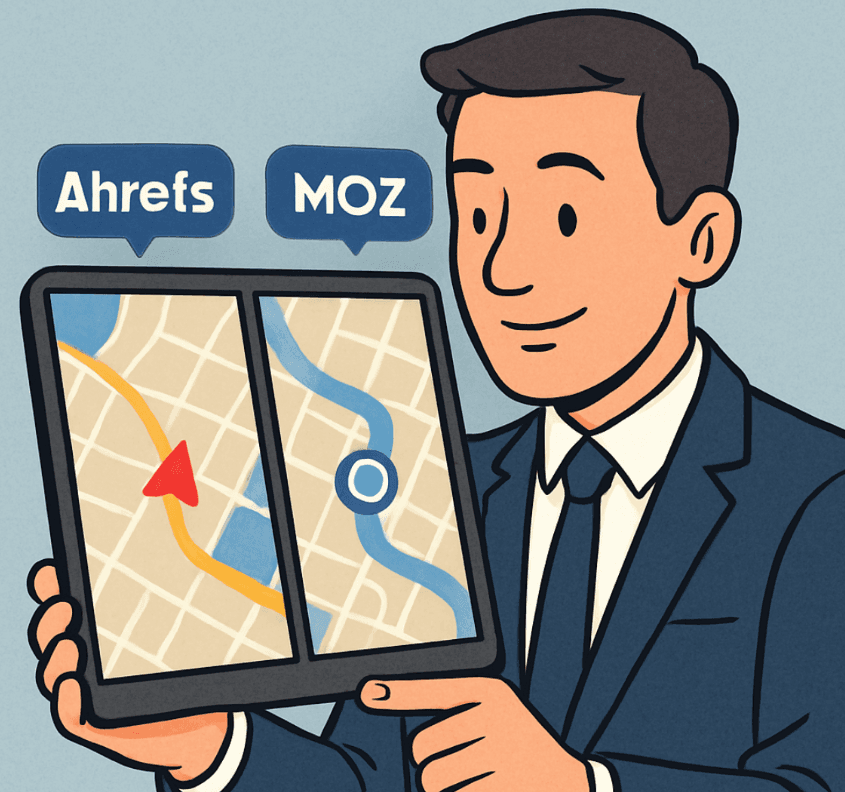
You have a website and a marketing budget, but navigating the path to Google's first page without a guide is practically impossible. Think of an SEO tool as a digital GPS for your business journey. Instead of guessing what your customers want, these tools give you the exact coordinates to reach them. Industry data reveals that businesses using dedicated tracking software grow their organic traffic significantly faster than those relying on gut instinct.
At its core, search engine optimization simply means showing up where your customers are already looking. Investing in SEO tools for small businesses pays off by removing the blindfolds from your daily strategy. You aren't just paying $100 a month for fancy charts; you are buying actionable data that leads directly to more phone calls, foot traffic, or online sales for your local bakery or e-commerce shop.
Premium platforms automate the heavy lifting of digital marketing by tackling three core problems:
- Finding keywords: Uncovering the exact words people type into Google (keyword research guide).
- Spying on rivals: Seeing exactly what your successful competitors are doing to win customers (competitor analysis).
- Fixing site errors: Acting as a routine 'medical checkup' to find broken links before they chase visitors away.
Opening these dashboards for the first time can still feel overwhelming, much like staring at the cockpit of a 747. You don't need to be a pilot to fly, but figuring out how to choose the right SEO software means finding an interface that matches your team's skill level. Settling the Ahrefs vs Moz debate ultimately comes down to understanding which layout and learning curve best fits your daily routine.
The Library vs. The Laboratory: Understanding the 'Personalities' of Ahrefs and Moz
If you've searched for the best SEO tools for keyword research, you've probably felt overwhelmed by complex dashboards. Choosing software isn't just about data; it is about how the screen makes you feel. Reading a search marketing platform feature analysis helps, but your daily success depends heavily on whether a tool feels intuitive to your unique working style.
Stepping into Moz feels very much like walking into a friendly public library. The user interface is specifically designed to hold your hand. If you own a local bakery and want competitor insights, Moz offers clear suggestions without burying you in spreadsheets, explaining exactly what each metric means directly on the screen.
Opening Ahrefs, however, is like entering a high-tech laboratory. The workflow here prioritizes raw power, immediately displaying massive amounts of information. When weighing Ahrefs vs Moz, you will notice Ahrefs assumes you already understand the basics of your strategy. An e-commerce coffee shop owner might love this deep dive into traffic, but the sheer volume of numbers can feel intimidating on day one.
Domain Authority vs. Domain Rating: Why Your 'Website Credit Score' Varies Between Tools
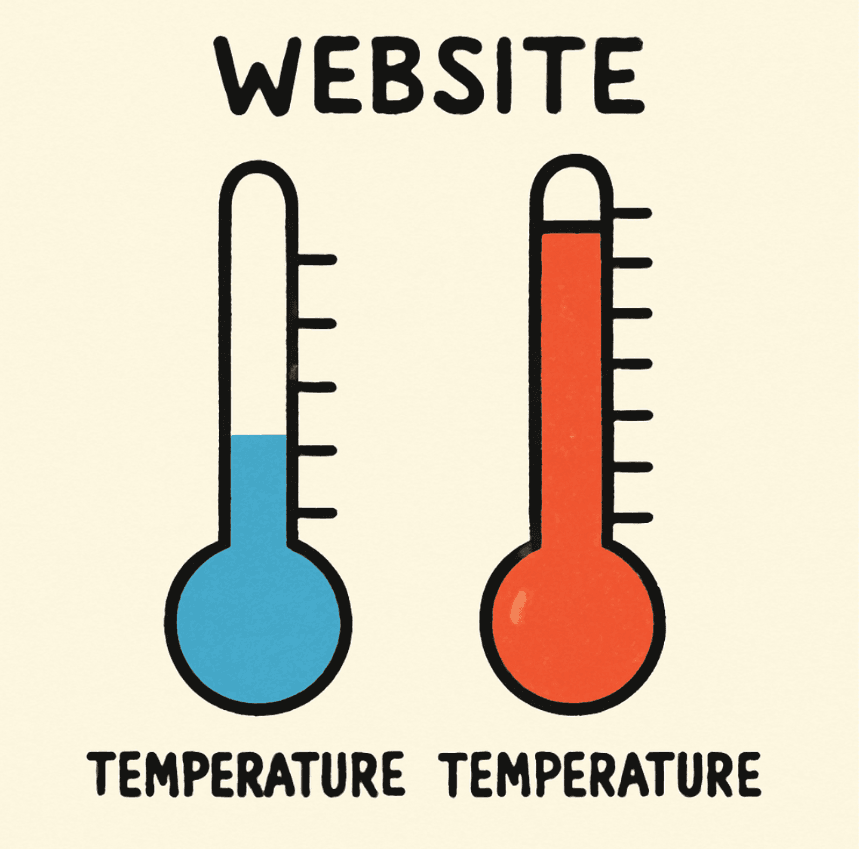
Just like a bank checks your credit score before approving a loan, search engines assess how trustworthy your website is before handing over a top ranking. Since Google keeps its exact grading formula a secret, third-party software companies have created their own metrics to estimate this power (how search works).
Moz calls their estimate Domain Authority (DA), while Ahrefs measures it as Domain Rating (DR). When evaluating Moz DA vs Ahrefs DR, you are simply watching two different credit bureaus judge the same website. Moz uses multiple factors to guess your overall ranking potential, whereas Ahrefs focuses heavily on your backlinks — those digital 'votes of confidence' from other sites.
Because they use distinct formulas, you will naturally notice Domain Authority and Domain Rating differences for your business website. Do not panic if your score is 30 on Moz but 45 on Ahrefs — these numbers are relative benchmarks rather than absolute truths. Increasing either score simply means earning trust by getting reputable websites to link to your pages.
Finding Profitable Keywords: How Ahrefs Uncovers the Specific Phrases Your Customers Use
You know what you sell, but do you know exactly what customers type into Google to find it? Ahrefs excels at uncovering these phrases, revealing hidden opportunities your competitors completely missed. If you run a local coffee roaster, everyone might fight for a broad term like 'buy coffee,' but Ahrefs could reveal hundreds of people searching specifically for 'low acid dark roast.'
When evaluating potential topics in Ahrefs, always check these three crucial metrics:
- Search Volume: How many times people search for this exact phrase every month.
- Keyword Difficulty (KD): A score from 0 to 100 showing how hard it is to reach page one.
- Clicks: The actual number of user clicks, because high search volume means nothing without real website visits (keyword analysis).
Mastering the Keyword Difficulty metric is your secret weapon to avoid impossible ranking battles. Ahrefs calculates this score largely by counting how many backlinks the top-ranking pages currently have. Because of keyword difficulty score calculation differences between platforms, Ahrefs gives you a purely math-based target, telling you exactly how many website 'votes' you need to compete.
The Moz Keyword Advantage: How to Prioritize the Right Topics Without Getting Overwhelmed
Looking at a spreadsheet full of search volumes can quickly cause decision paralysis. While Ahrefs provides endless raw data, Moz acts as a helpful guide rather than just another massive database. They know you want quick answers without spending hours doing complex math to find the right topic for your business.
Getting thousands of searches means nothing if those people never actually click your link. Moz introduces a unique metric called Organic CTR, which estimates the percentage of users who will click a regular website instead of a paid advertisement. Because more traffic is not always better traffic, this specific percentage helps you safely ignore popular keywords where ads steal all the attention.
To simplify strategy building, Moz combines these critical numbers into a straightforward metric called the Priority Score. This feature stops you from over-analyzing by automatically weighing search volume, ranking difficulty, and your actual chance of getting clicks into one single number. Even in complicated debates like Semrush vs Ahrefs vs Moz vs Ubersuggest, this simple score is the absolute fastest way to build a profitable keyword list.
Who Has Better Backlink Data? Choosing the Tool That Finds Your Best Link Building Opportunities
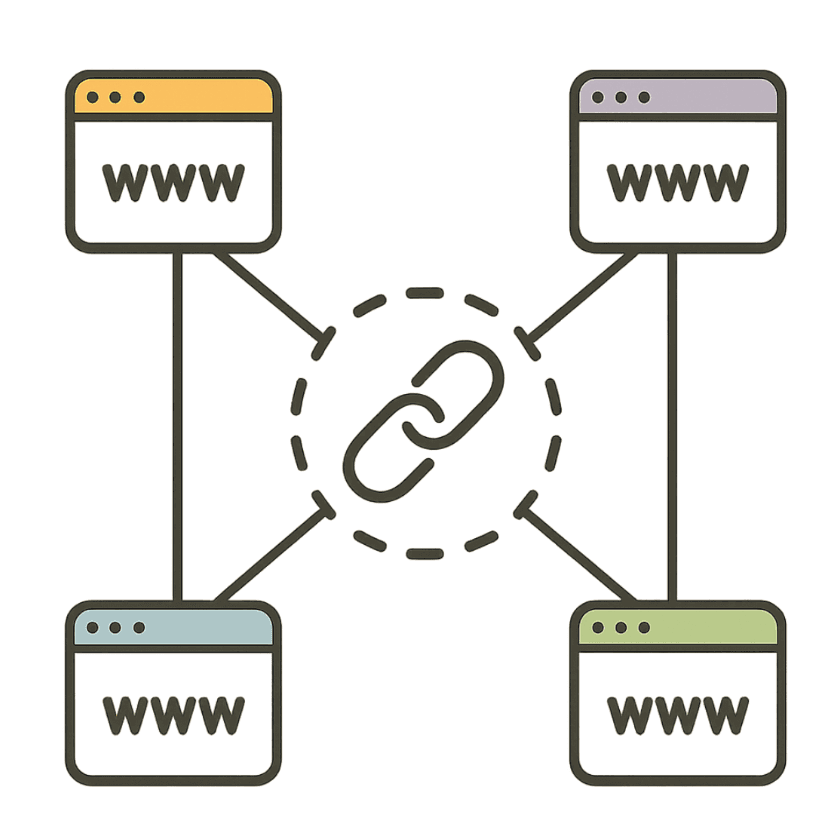
Knowing what to write is only half the battle; search engines also need to trust your website. Since a backlink acts like a 'vote of confidence,' you need a way to see all the votes you have gathered. This collection is called your link profile, and tools build it by 'crawling' — sending automated bots to read millions of web pages every single day (how backlinks impact SEO).
Ahrefs currently holds the crown for its incredibly fast bot network. By constantly scouring the internet, they provide a 'Live' index of current links and a 'Historical' index of past connections. For small businesses, the impact of crawler speed on backlink monitoring means getting notified almost instantly when a local blog or news outlet mentions your brand online.
When evaluating which SEO tool has the most accurate backlink data, Moz prioritizes quality over sheer volume. Moz actively filters out spammy, irrelevant links. This smart filtering saves beginners from wasting time analyzing low-quality votes that search algorithms are just going to ignore anyway.
Stealing Your Competitors' Best Ideas: Using Ahrefs Content Explorer to Find Viral Topics
Staring at a blank screen trying to guess what your customers want to read wastes valuable time. Since you already know content drives SEO, you need to find what works before writing a single word. Ahrefs offers a feature that acts like a customized search engine strictly for popular articles.
Here is the simple three-step blueprint to finding your next successful post with Ahrefs Content Explorer:
- Search a topic: Enter a broad phrase like 'plumbing tips.'
- Filter by 'Referring Domains': Sort the results to see which articles have earned the most backlinks.
- Check 'Traffic Value': View the estimated dollar amount that the article's traffic is worth.
'Traffic Value' calculates exactly how much you would have to spend on Google Ads to buy those exact website visitors. If a competitor's article about fixing a leaky faucet has a traffic value of $5,000, you instantly know that topic is highly profitable and worth targeting. Relying on this data saves hours of frustrating trial and error because you only create content proven to attract customers.
Technical Health Checks: Comparing How Moz and Ahrefs Fix Your Site's 'Check Engine' Light
Imagine driving a beautiful car with a flashing 'check engine' light. Your website can look fantastic to customers while hiding technical errors that completely stop Google from finding your best content. A major culprit is broken links — pages leading your visitors to a frustrating dead end. When evaluating SEO software for small business owners, you need a tool that runs a complete 'Site Audit' to uncover these invisible potholes before they cost you sales.
Both platforms simplify these complex scans by assigning your website a straightforward Health Score out of 100. Think of this metric like a credit score for search engines, where a higher number signals trustworthiness. Ahrefs calculates this mathematically based on the exact percentage of pages functioning perfectly without errors. Moz takes a slightly gentler approach, weighting the severity of each issue so a minor glitch won't unnecessarily tank your overall grade.
In a comprehensive technical SEO site audit comparison, Moz clearly wins the beginner category. It provides friendly, plain-English instructions explaining why an error matters and exactly how to resolve it yourself. Ahrefs delivers incredibly precise diagnostic data, but its technical explanations often feel overwhelming for everyday users.
Tracking Your Progress: Which Tool Gives You the Most Accurate Local Rank Monitoring?
After fixing your website's hidden errors, you naturally want to know if those improvements are pushing you higher on Google. This involves monitoring the SERP — the Search Engine Results Page, or the list of links Google displays. Because you know someone searching for a 'plumber' in Chicago sees different businesses than someone in Dallas, broad national data won't help your storefront.
To capture targeted data, you use 'Rank Tracking,' a feature monitoring your website's position for specific keywords down to your city or zip code. Both platforms perform well here. Moz makes establishing hyper-local neighborhood tracking incredibly intuitive, while Ahrefs provides fantastic data but restricts how often rankings update on basic plans.
Device type also drastically changes what customers see, meaning 'Position 1' on a smartphone looks entirely different than on a desktop. Both tools separate mobile and desktop data to give you the full picture. You simply must decide if you need expensive daily updates, or if weekly reports match your pace.
Maximizing Your Marketing Budget: Does Moz or Ahrefs Offer Better ROI for Small Businesses?
Knowing your local rankings are improving is great, but choosing a tool ultimately comes down to your monthly marketing budget. Most software companies use 'SaaS Pricing Tiers,' which simply means they offer different levels of access depending on how much you pay. Navigating SEO platform pricing requires matching these tiers to your actual business size so you never overpay for features you will not use.
| Feature | Moz Pro (Starter) | Ahrefs (Lite) |
|---|---|---|
| Monthly Price | ~$99/mo | ~$99/mo |
| Tracked Keywords | 300 | 750 |
| Site Audit Pages | 100,000 pages/mo | 100,000 crawl credits |
| Billing Model | Unlimited searches | Credit-based (pay per report) |
| Learning Curve | Beginner-friendly | Intermediate/Advanced |
That word 'credits' introduces a crucial difference: consumption-based billing. Think of this like an old cell phone plan where every text message costs a penny; Ahrefs charges a credit almost every time you run a new report or filter data. If you click around too much while learning the system, you might hit your monthly limit in a week and face surprise overage charges, whereas Moz offers unlimited dashboard searches without hidden fees.
Considering the Field: How Semrush and Ubersuggest Compare to the Big Two
Zooming out to view the broader software landscape ensures you do not overbuy for your current needs. When looking at Ahrefs vs Semrush vs Moz vs SpyFu, Semrush usually claims the enterprise crowd. Think of Semrush as a massive marketing mall; large agencies love it because it handles paid ads and social media alongside standard website optimization.
Conversely, a local bakery or solo consultant might just need a simple starter tool rather than an entire suite. Exploring Semrush vs Ahrefs vs Moz vs Ubersuggest reveals Ubersuggest as a budget-friendly stepping stone that removes overwhelming data. Success ultimately comes down to matching the software to your current business stage.
🔬
Ahrefs — The Data Laboratory
Best for advanced users, agencies, and growth-focused teams who want the deepest backlink database and content research tools.
📚
Moz — The Friendly Library
Best for beginners, small business owners, and local SEO campaigns who value a guided, educational experience over raw data.
🏢
Semrush — The Enterprise Suite
Best for large marketing teams needing an all-in-one platform that covers SEO, paid ads, social media, and content marketing.
💡
Ubersuggest — The Budget Starter
Best for solopreneurs or businesses just starting their SEO journey who need simple keyword ideas without a large price tag.
Your Final Verdict: A 3-Step Plan for Picking Your SEO Software and Getting Results
You no longer need to feel overwhelmed by how to choose the right SEO software. If you want a friendly, educational guide to master the basics, choose Moz. If you want deep data and aggressive growth features, choose Ahrefs. Ultimately, the best tool is simply the one you will actually log into every morning.
Now, it is time to transition from research mode into action mode. To ensure your investment pays off quickly, use either of these tools to generate new traffic. As you embark on your SEO journey, consider leveraging the power of automated SEO-optimized articles from ProgSEO to enhance your content strategy and streamline your writing process.
To kickstart your efforts, execute the 30-Day 'First Wins' Plan:
- Run a site audit to fix simple website errors.
- Find 5 'easy' keywords with low competition scores.
- Check your competitors' links to discover who trusts them.
Automate Your SEO Content — Start Growing Today
Stop spending hours manually writing SEO articles. ProgSEO helps you publish hundreds of optimized pages automatically, so you can focus on running your business.
- Generate keyword-targeted articles at scale
- Programmatic SEO pages that actually rank
- Integrates with your existing workflow
Frequently Asked Questions
It depends on your goals. Ahrefs is better for advanced users who want deep backlink data, content research, and keyword analysis at scale. Moz is better for beginners and small business owners who need a guided, beginner-friendly experience with plain-English explanations.
Domain Authority (DA) is Moz's proprietary metric that estimates how well a website will rank on search engines. Domain Rating (DR) is Ahrefs' metric that specifically measures the strength of a website's backlink profile. They use different formulas, so scores will differ for the same website.
Both tools offer limited free versions. Moz provides a free Moz Bar browser extension and limited free searches on their website. Ahrefs offers free access to Ahrefs Webmaster Tools for site owners, which includes site audit and backlink monitoring for your own domain.
Moz has a slight edge for local SEO due to its intuitive hyper-local rank tracking (down to neighborhood level) and Moz Local, a dedicated product for managing local business listings. Ahrefs offers excellent rank tracking but is more focused on broader SEO strategy.
Both tools start at approximately $99/month for their base plans. The key difference is billing model: Moz offers unlimited searches at a flat rate, while Ahrefs uses a credit-based system where each report consumes credits, which can lead to unexpected costs if you explore the tool heavily.
Ahrefs has a larger keyword database and provides more granular data like click-through rates and parent topic clustering. Moz's Priority Score simplifies decision-making by combining volume, difficulty, and CTR into one number — making it easier for beginners to act without analysis paralysis.